

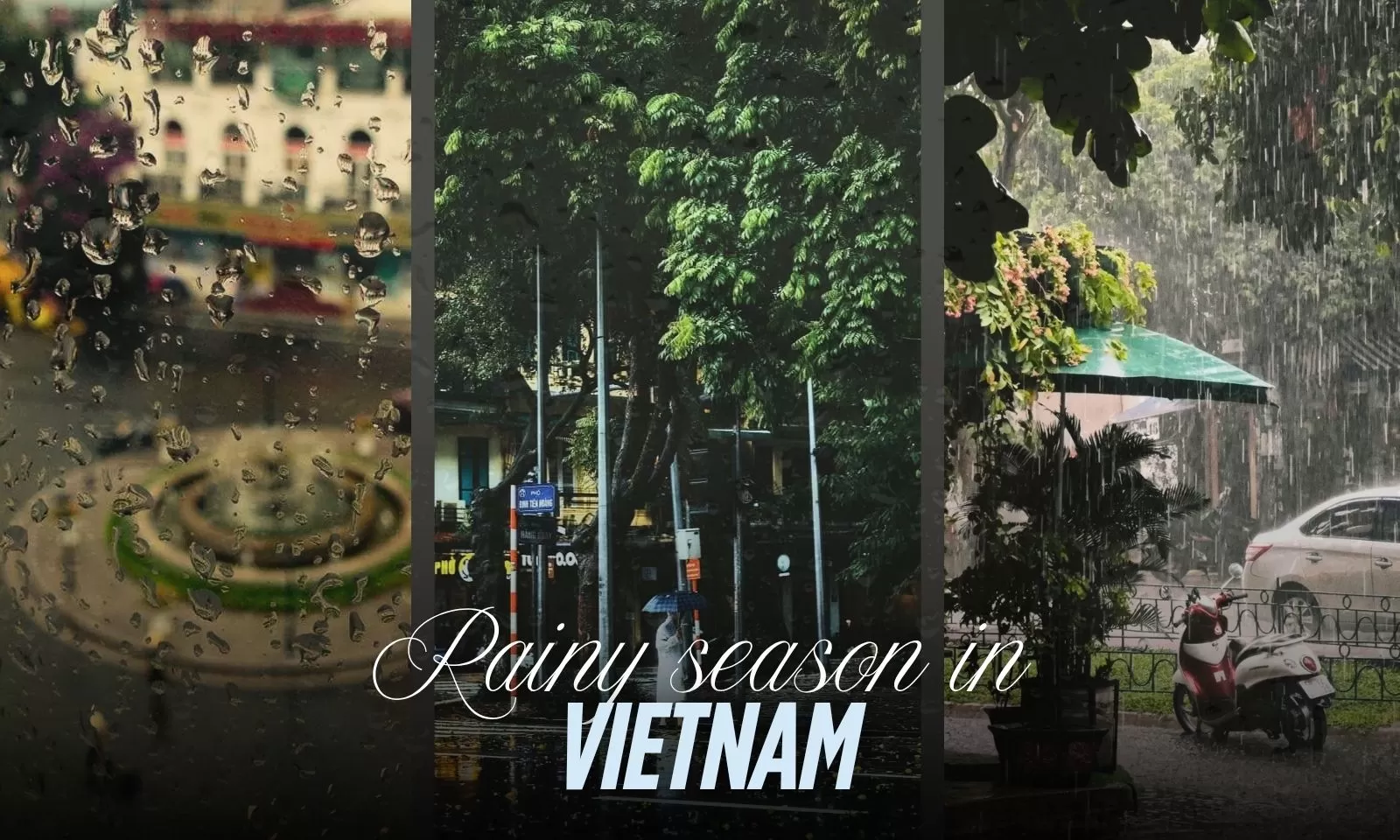
Rainy season in Vietnam: Ultimate travel guide 2025-2026
The rainy season in Vietnam brings lush green landscapes, powerful waterfalls and misty mountains. Quiet streets, vibrant local markets and seasonal foods make this period ideal for authentic cultural experiences and unique sightseeing moments.

Hi, I’m Ella. Through my travels across Southeast Asia, I aim to guide you to the most inspiring places, share the stories behind each destination, and offer insights that help you make each adventure both meaningful and unforgettable.
The terms “rainy season” or “monsoon” often deter travelers from planning a trip to Vietnam. People tend to imagine endless downpours, flooded streets and canceled excursions. However, the rainy season in Vietnam actually reveals a different and fascinating side of the country - one that is lush, peaceful and surprisingly beautiful.
As a local travel agency based in Hanoi, Hanoi Voyages has guided hundreds of visitors through the rainy season, showing them how to enjoy Vietnam safely and comfortably while discovering authentic experiences that many tourists miss during the high season.
This guide draws from our firsthand experience on the ground. Forget what you’ve heard - let us show you how to turn the rainy season into one of the most memorable adventures you’ll ever have in Vietnam.
Table of Contents
When is the rainy season in Vietnam
Vietnam stretches more than 1,600 kilometers from north to south, crossing multiple climatic zones. This means the rainy season never covers the entire country at the same time. Each region experiences its own rhythm - some with short tropical showers, others with steady rainfall - giving travelers plenty of flexibility when planning.
Below is an overview of the rainy season by region, including the best travel highlights for each:
Region | Rainy season period | Features |
Northern Vietnam | May – October | Hot and humid with short but intense downpours, usually in the late afternoon. |
Central Vietnam | September – January | Longer, heavier rains; typhoons may occur in October and November. |
Southern Vietnam | May – November | Predictable pattern: sunny mornings followed by brief afternoon showers. |
Northern Vietnam (Hanoi, Halong Bay, Sapa)
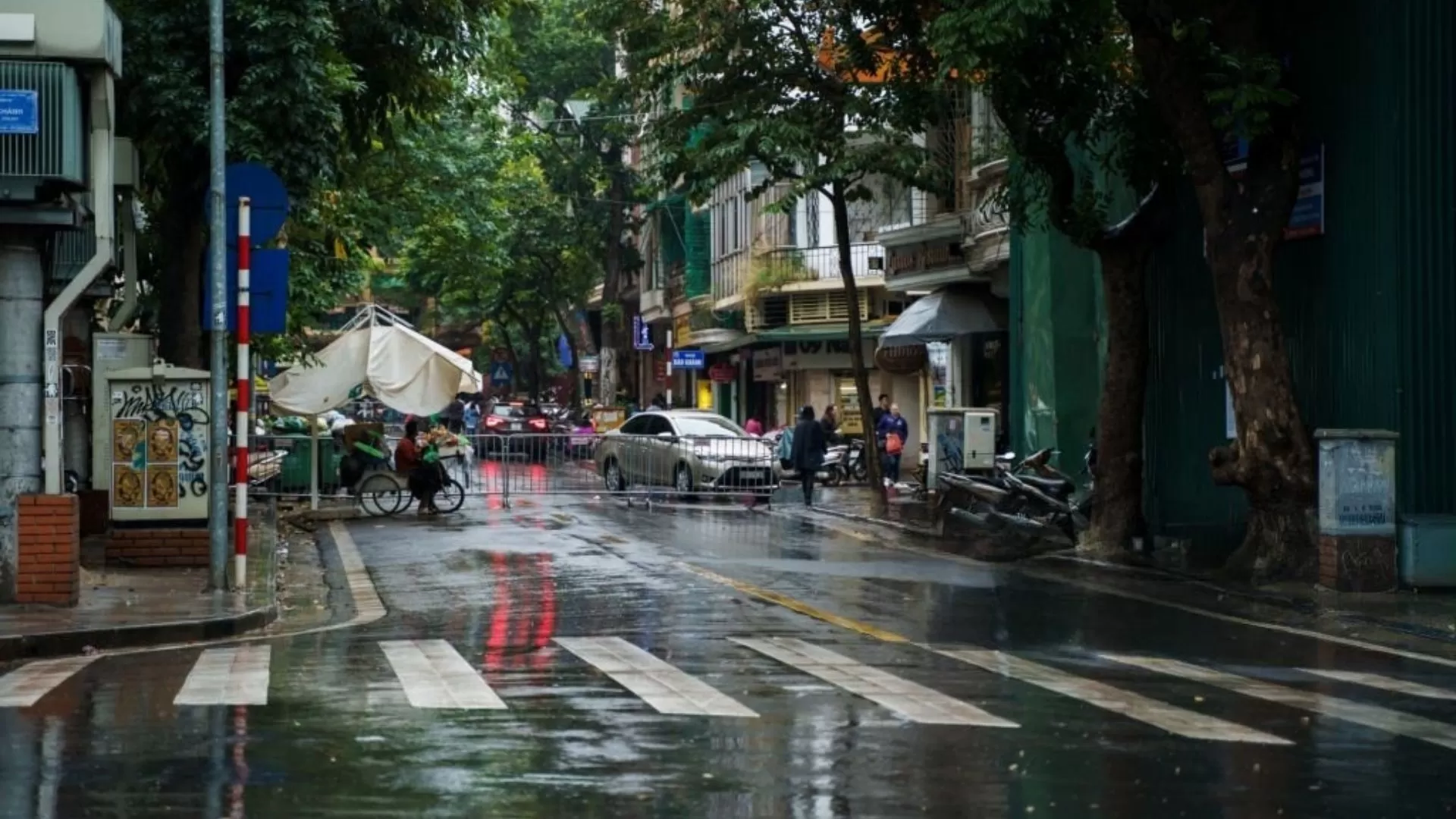
Season: May – October
Weather characteristics:
Northern Vietnam experiences a summer monsoon, marked by hot and humid days with intense afternoon showers.
Rain often comes in short bursts, typically lasting 1–3 hours, refreshing the landscape and leaving the sky clear afterwards.
Humidity can be high, ranging from 70% to 90%, making early mornings and late afternoons slightly cooler but evenings muggy.
Travel tips:
September and October are ideal months for the north: temperatures are cooler, rainfall is less intense and harvest season in Sapa offers spectacular scenery.
Always carry a light rain jacket or poncho and a dry bag for electronics, especially for outdoor activities like boat tours or trekking.
Central Vietnam (Hue, Da Nang, Hoi An)
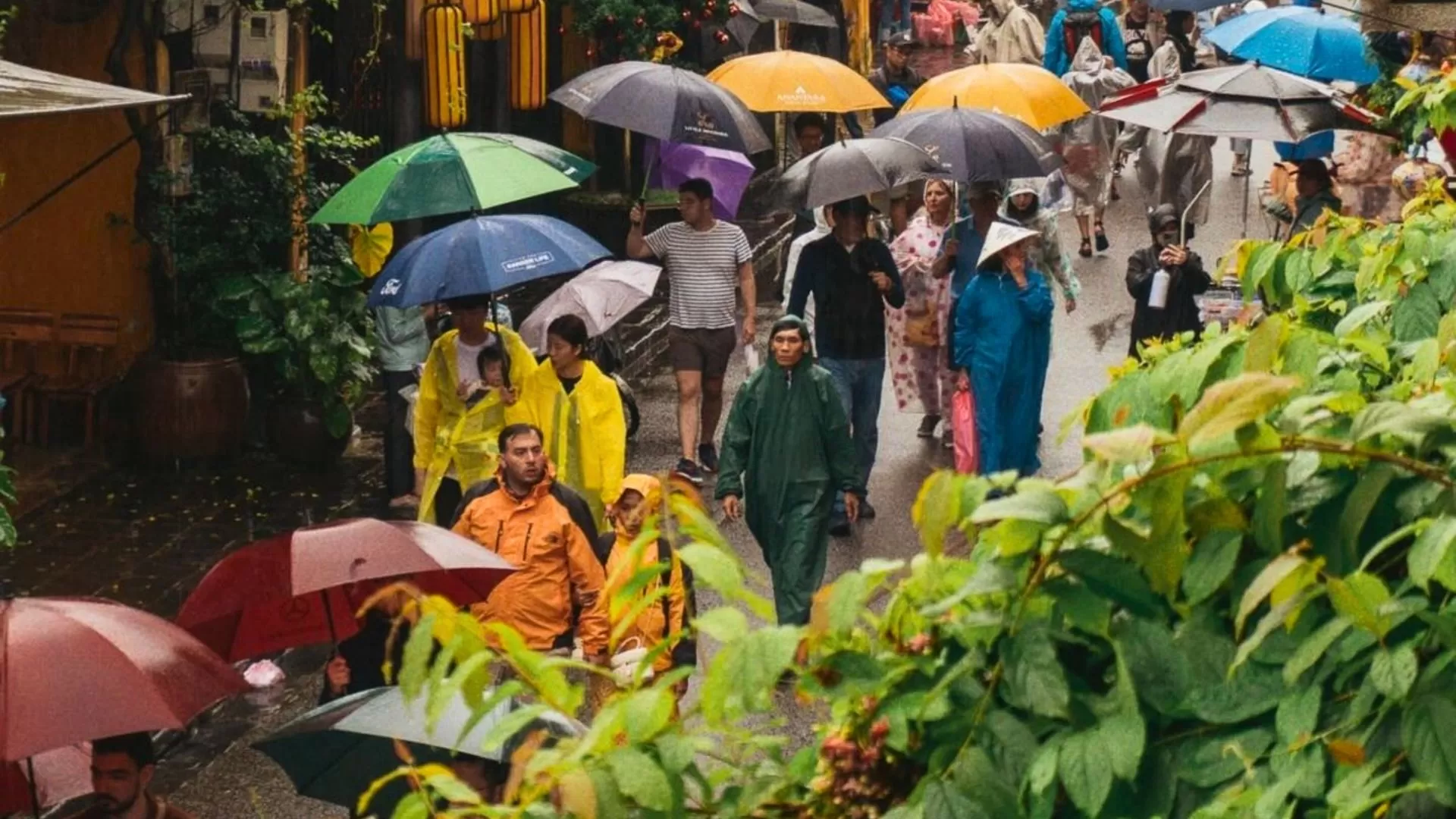
Season: September – January
Weather characteristics:
Central Vietnam is the most affected region by heavy rains and typhoons, particularly between October and November.
Rain can last several hours to an entire day, occasionally causing flooding in low-lying areas like Hoi An’s Old Town.
Winds from tropical storms can be strong, so safety precautions are essential during outdoor tours.
Travel tips:
Check local weather forecasts daily to avoid typhoon-affected areas.
Plan indoor activities, such as cooking classes, museum visits, or lantern-making workshops.
Southern Vietnam (Ho Chi Minh City, Mekong Delta, Phu Quoc)
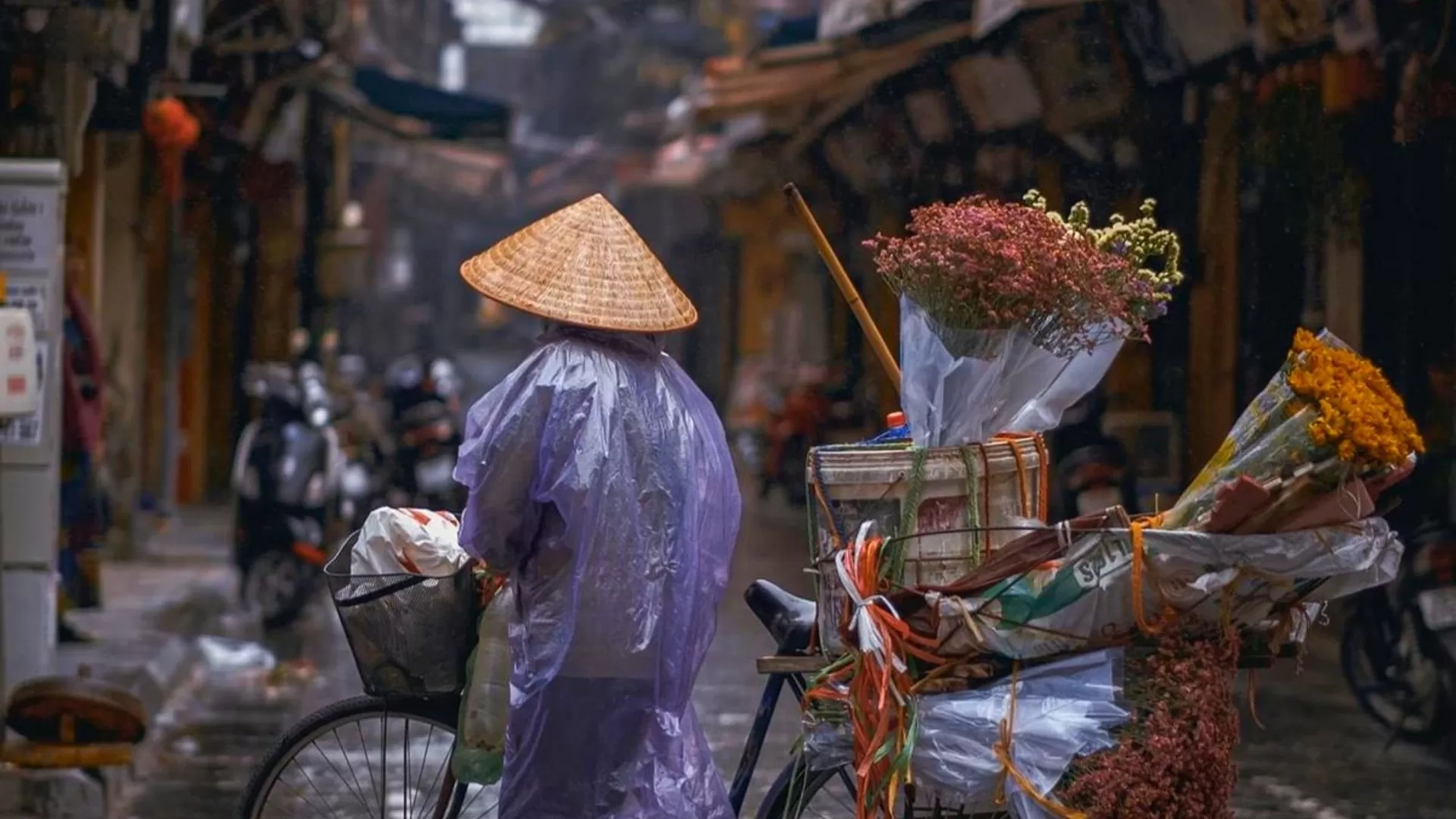
Season: May – November
Weather characteristics:
Southern Vietnam has a predictable rainy season, with afternoon showers that usually last 1–2 hours.
Mornings are typically sunny, allowing for outdoor activities before rain in the afternoon.
The humidity remains moderate and temperatures stay warm, ranging from 25°C to 33°C.
Travel tips:
Morning excursions are ideal, while afternoon rains are perfect for exploring indoor attractions or enjoying local cafés.
Renting motorbikes is common, but roads can be slippery; beginners should exercise caution.
Keep light, waterproof clothing and plan flexible itineraries.
What to expect during the rainy season in Vietnam
Traveling during the rainy season in Vietnam is far from a disadvantage. In fact, it offers experiences that are hard to find in the dry season:
Spectacular scenery: The rains turn Vietnam into a palette of dazzling greens. Sapa’s terraced rice fields are at their peak and waterfalls like Ban Gioc roar with new power.
Fewer tourists, more authenticity: Imagine visiting My Son Sanctuary or Hue’s imperial sites without the crowds - allowing for a deeper connection and beautiful photos.
Cost savings: Flights, hotels and even guided tours can be 20–30% cheaper. It’s the perfect time to enjoy luxury stays for the same budget.
Where to go & What to do during the rainy season in Vietnam
Traveling during Vietnam’s rainy season offers unique opportunities to explore the country in a different light. Understanding regional weather patterns and adjusting your itinerary is key to a successful trip. Here’s a detailed guide to what you can do in each region during the rainy season in Vietnam.
Northern Vietnam
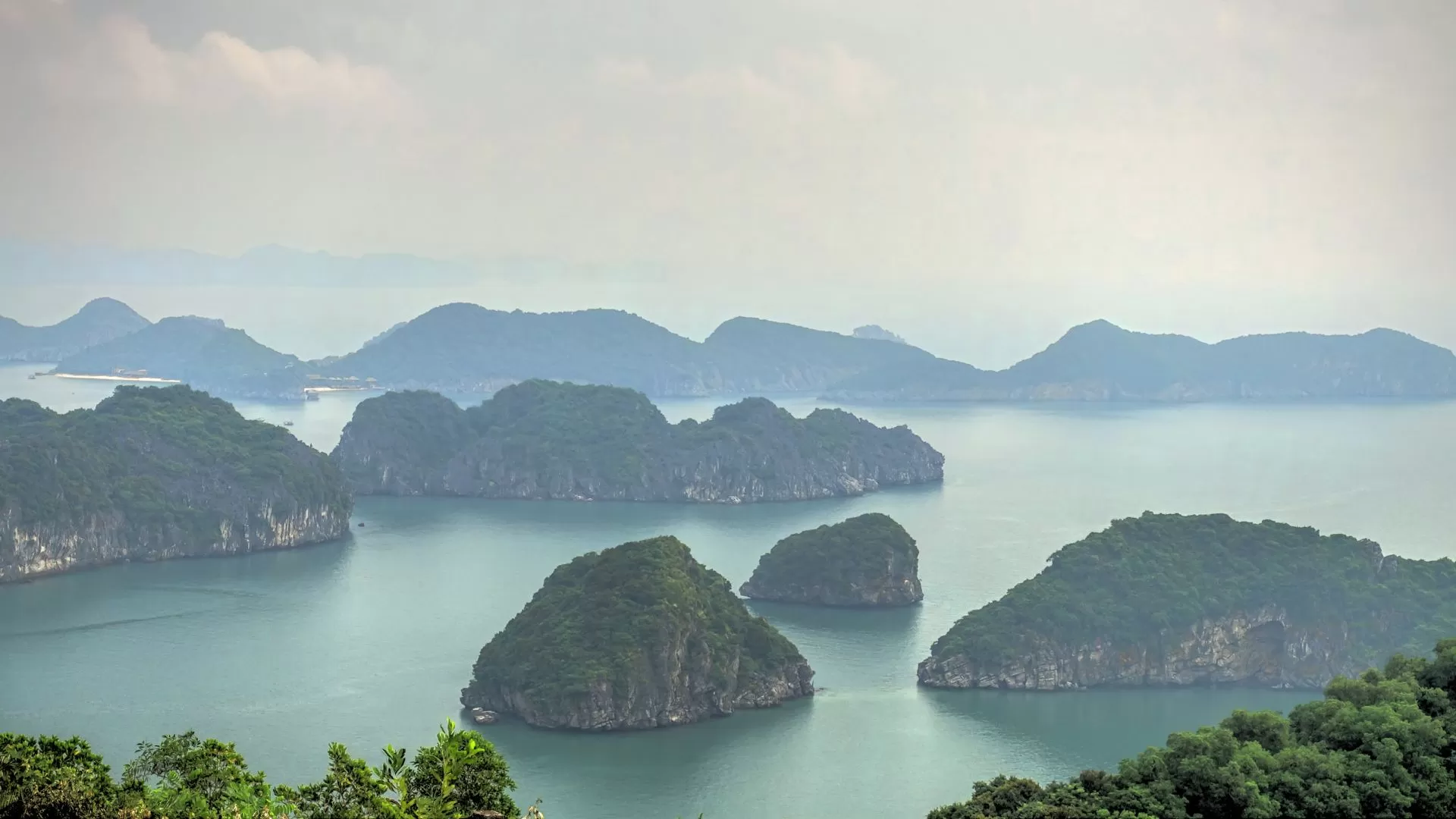
Afternoon showers in Northern Vietnam are not an obstacle, but a real opportunity to slow down and fully enjoy the cultural, gastronomic and natural richness of the region.
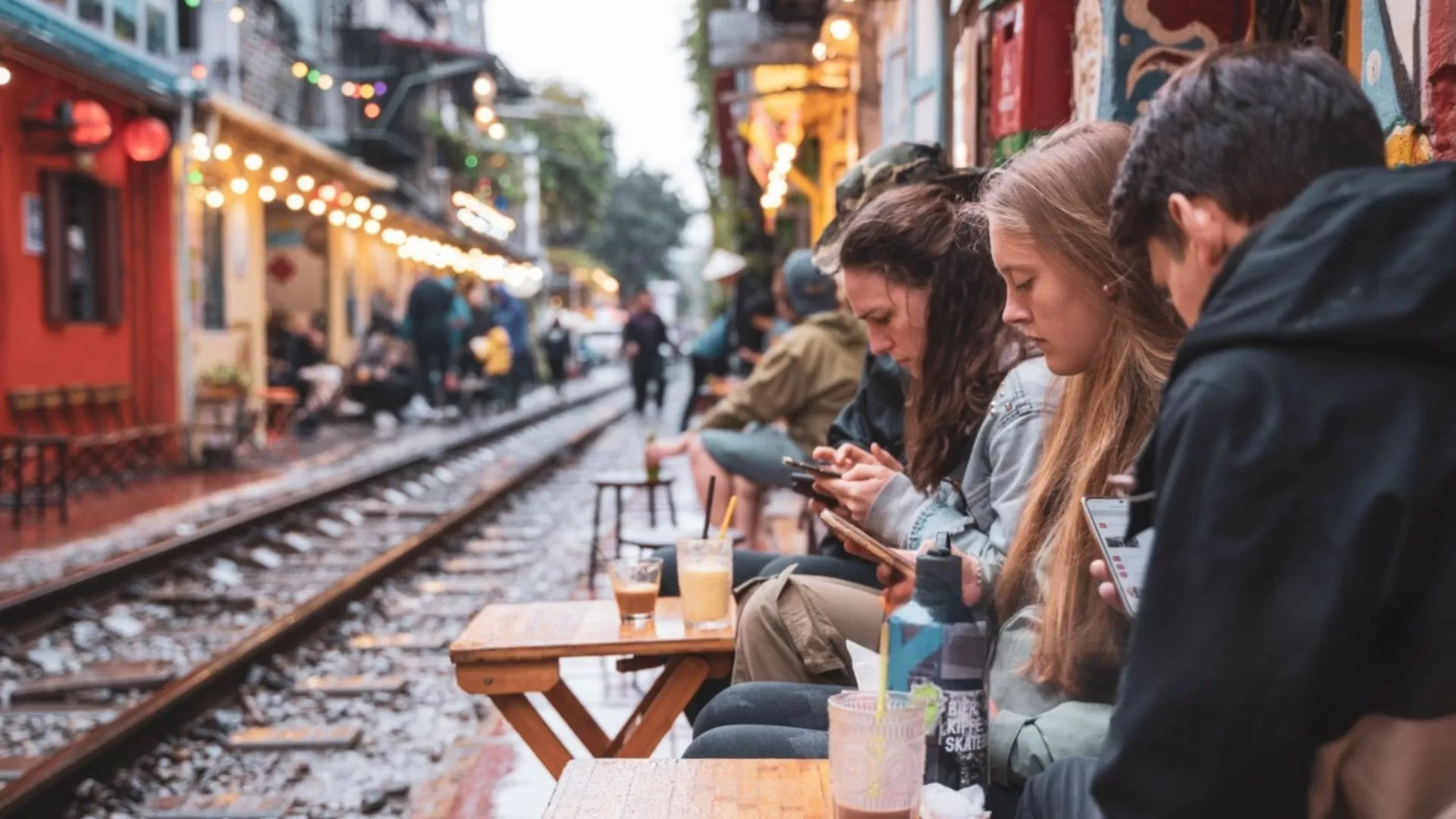
Hanoi: Afternoon showers are perfect for visiting museums, art galleries and cafés. Don’t miss tasting the famous egg coffee in the old quarter.
Halong Bay: Short rains and mist often create dramatic seascapes, making cruises more peaceful and photogenic.
Sapa: The terraced rice fields are at their greenest and light rains add a magical haze to mountain views.
Local expert Mr. Tuan shares:
“Many travelers worry about Halong Bay in July or August, but after a light rain, the mist hugging the limestone peaks creates a surreal beauty that few ever witness.”
Central Vietnam
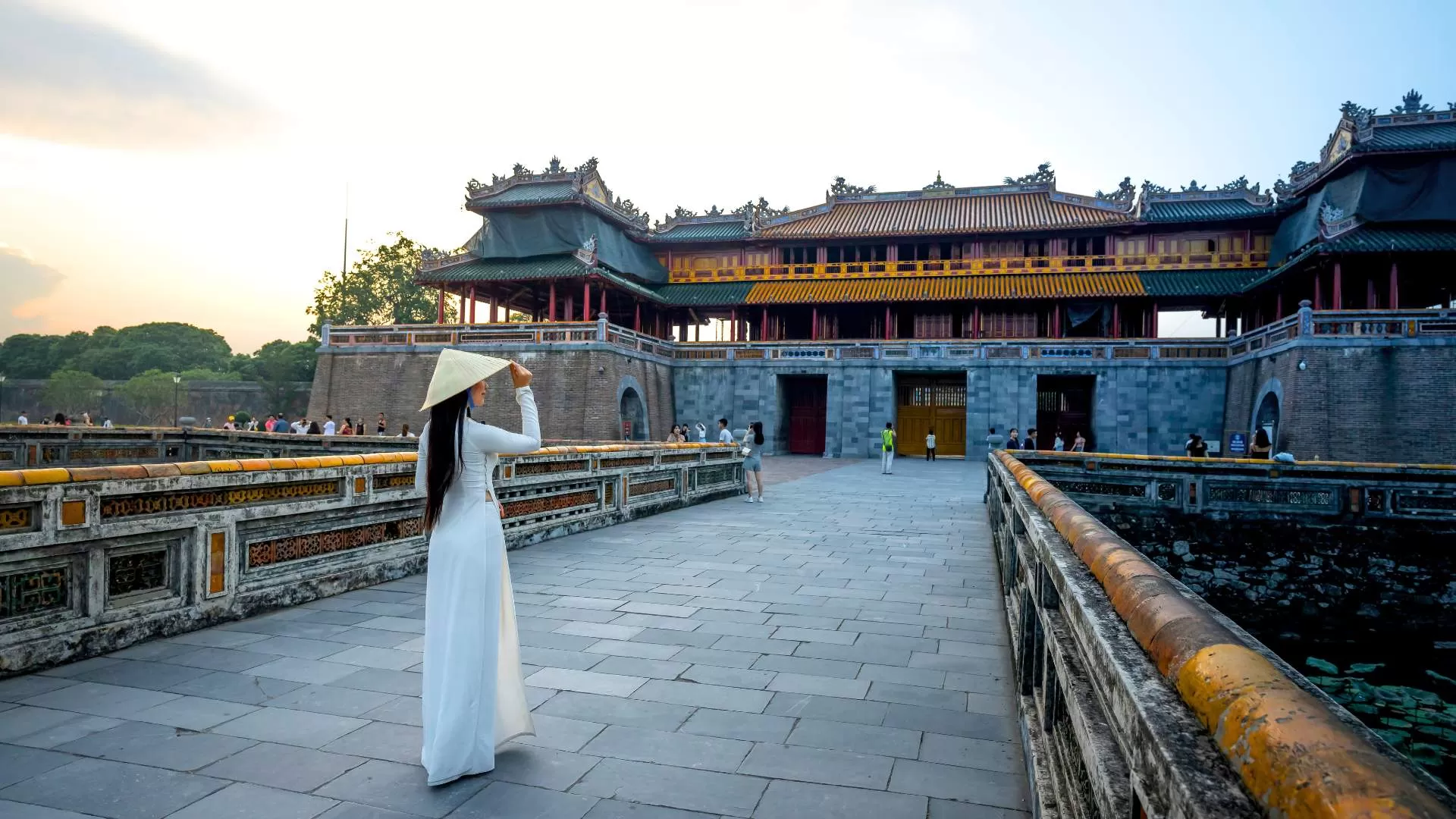 | 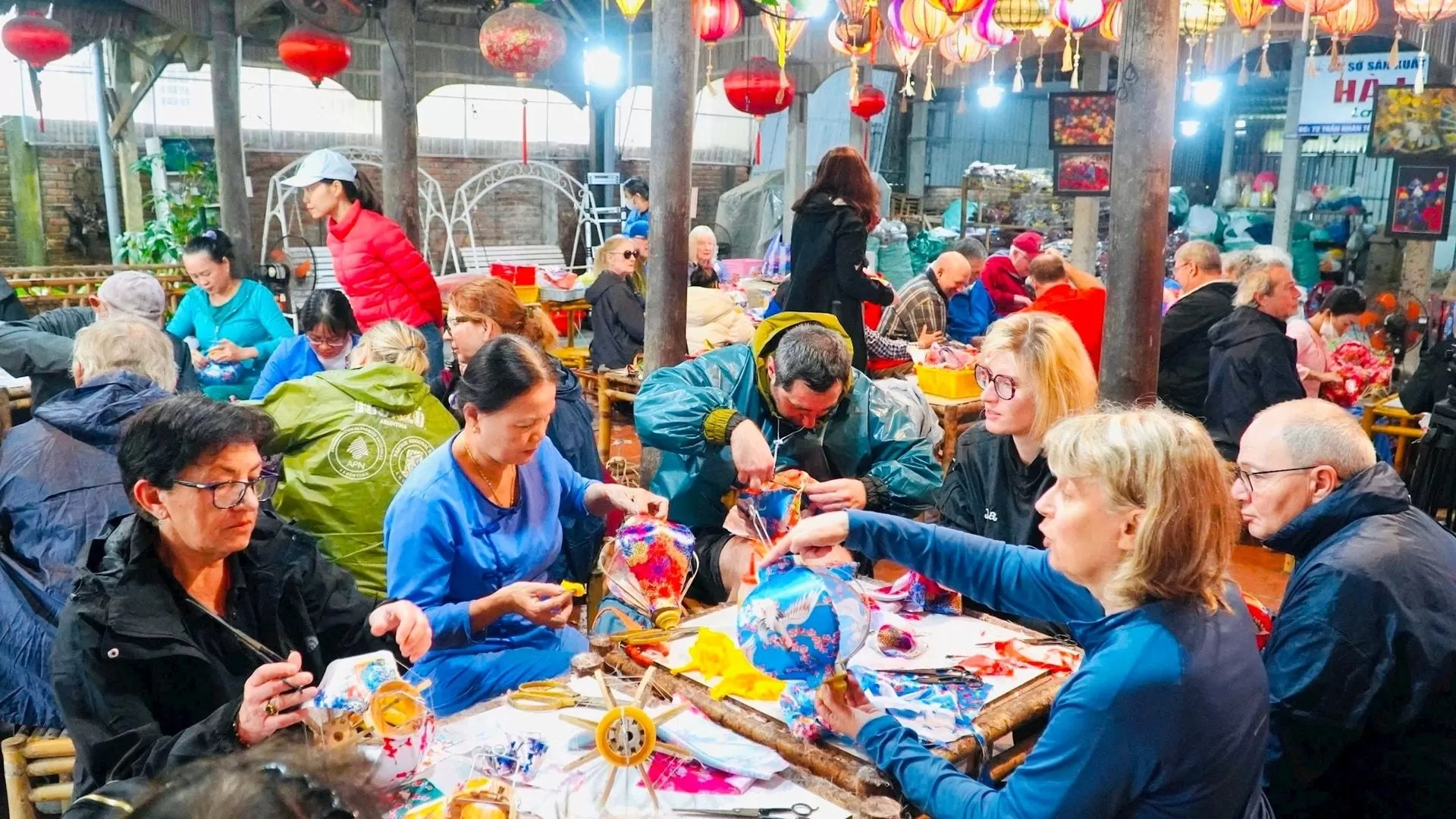 | 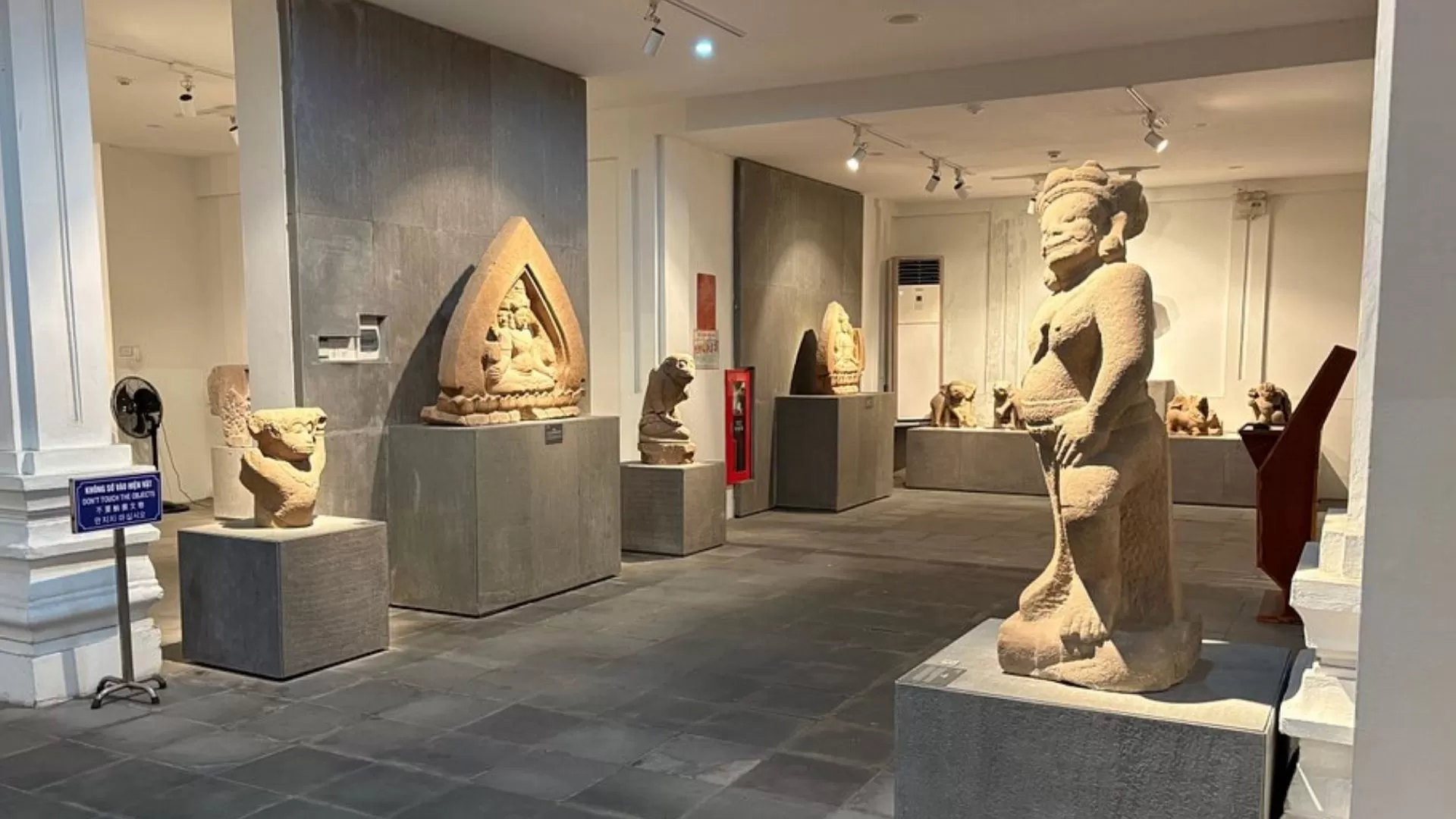 |
| Explore Imperial City after the rain | Lantern-making workshops | Visit Museum of Cham Sculpture |
Even in the rainy season, Central Vietnam remains accessible with a little organization:
Hue: The rain adds a mystical touch to the Imperial City and pagodas. Visit museums or enjoy a royal cuisine tour indoors during prolonged rain.
Hoi An: The Old Town floods occasionally, but lantern-lit streets reflecting in water create unforgettable photos. Indoor activities like lantern-making workshops or cooking classes are perfect alternatives.
- Da Nang: Explore Marble Mountains, Han River bridges and city museums. Short showers make the city quieter and more enjoyable.
Southern Vietnam
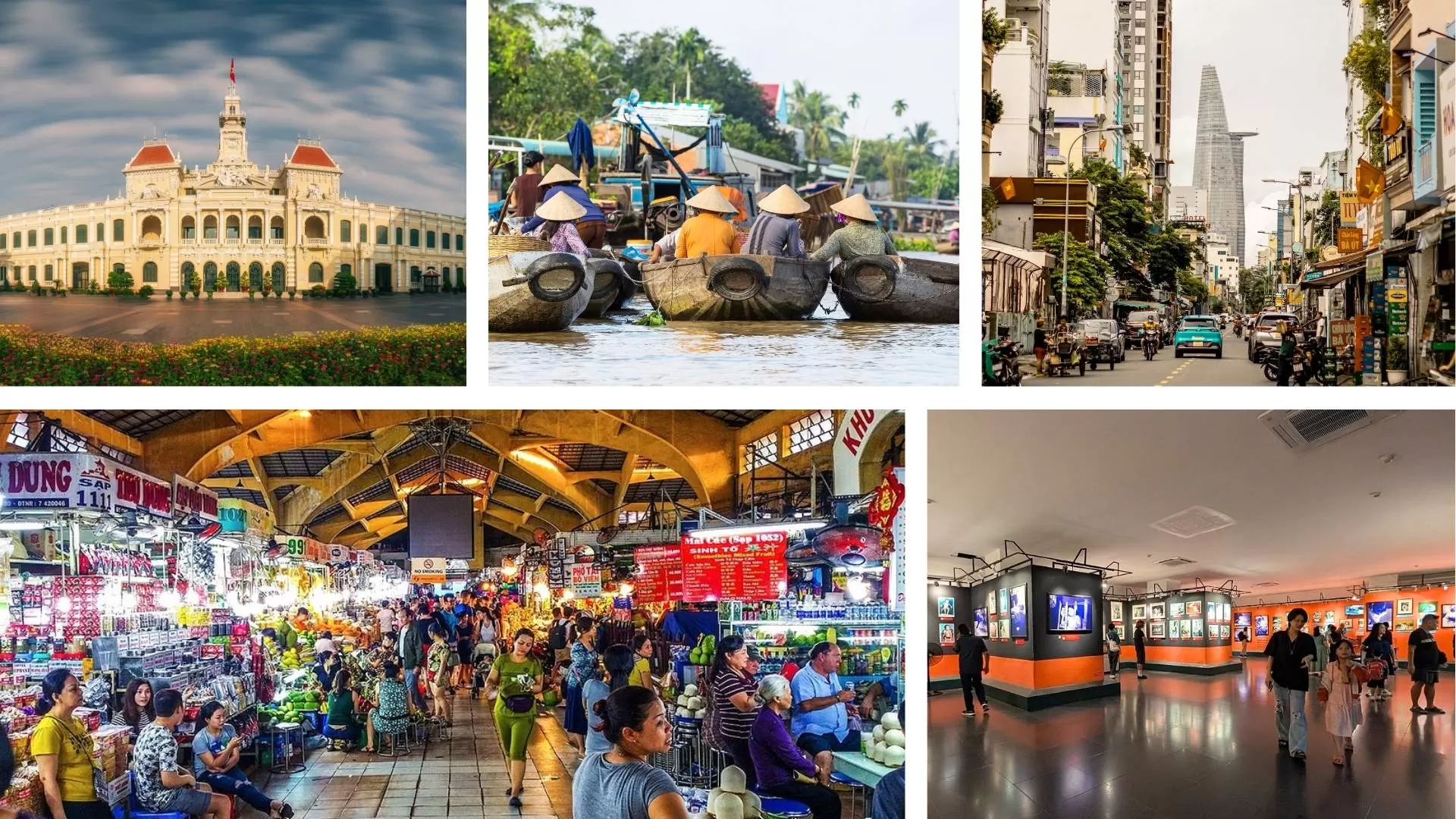
The rainy season in South Vietnam does not hinder discoveries and even offers the opportunity to experience the authentic rhythm of the cities and the Mekong Delta:
Ho Chi Minh City: Mornings are ideal for visiting Cu Chi Tunnels, Ben Thanh Market and War Remnants Museum. Afternoon showers are perfect for relaxing in cafés or enjoying indoor attractions.
Mekong Delta: The rainy season fills canals and rivers, making boat trips, floating markets and village visits more scenic.
Phu Quoc: Rain usually falls in short bursts, leaving enough time for beach activities, snorkeling and island hopping.
Explore the magic of the rainy season in Vietnam with expertly crafted tours from Hanoi Voyages.
👇
>>> CONTACT US NOW <<<
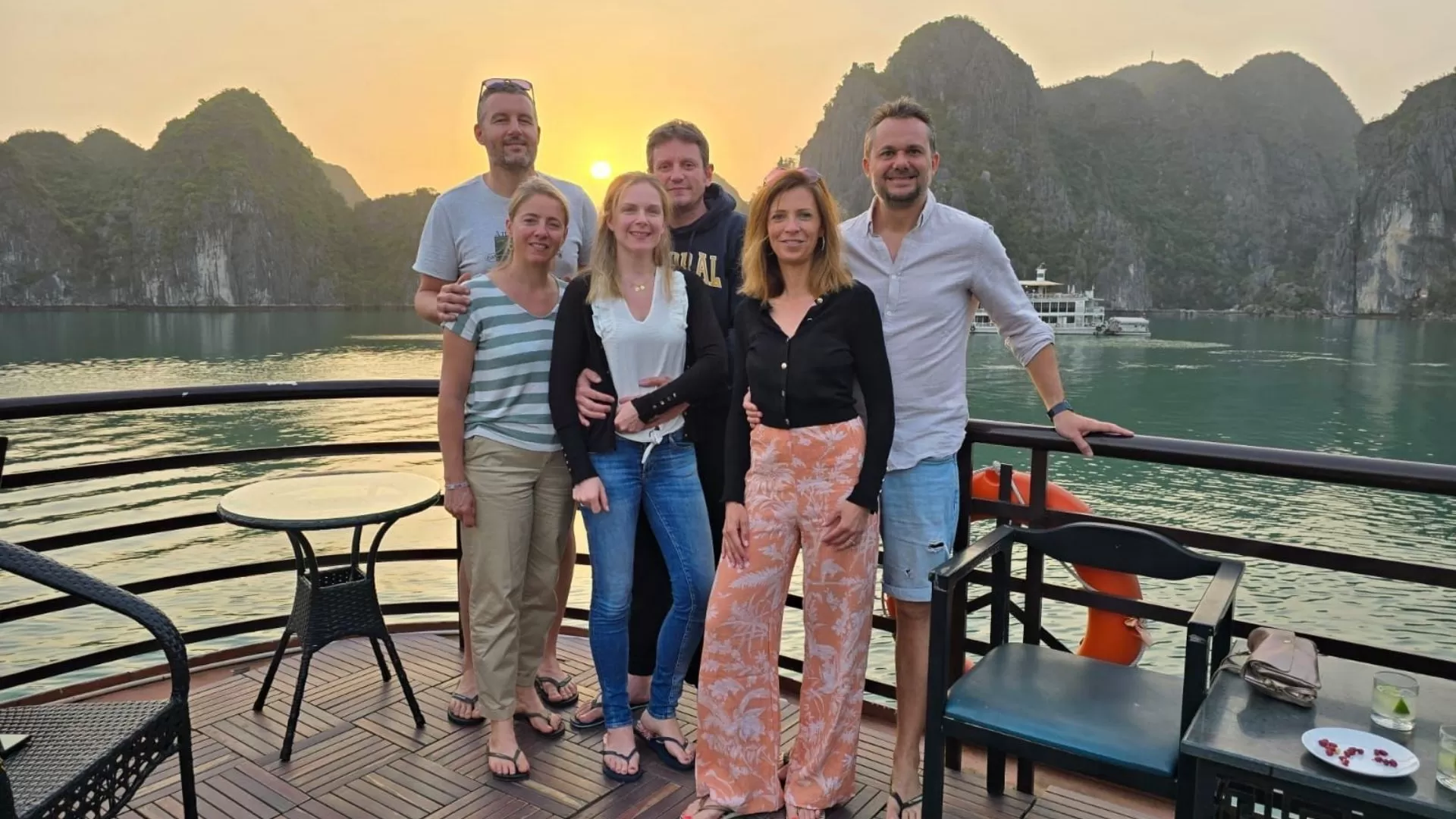 | 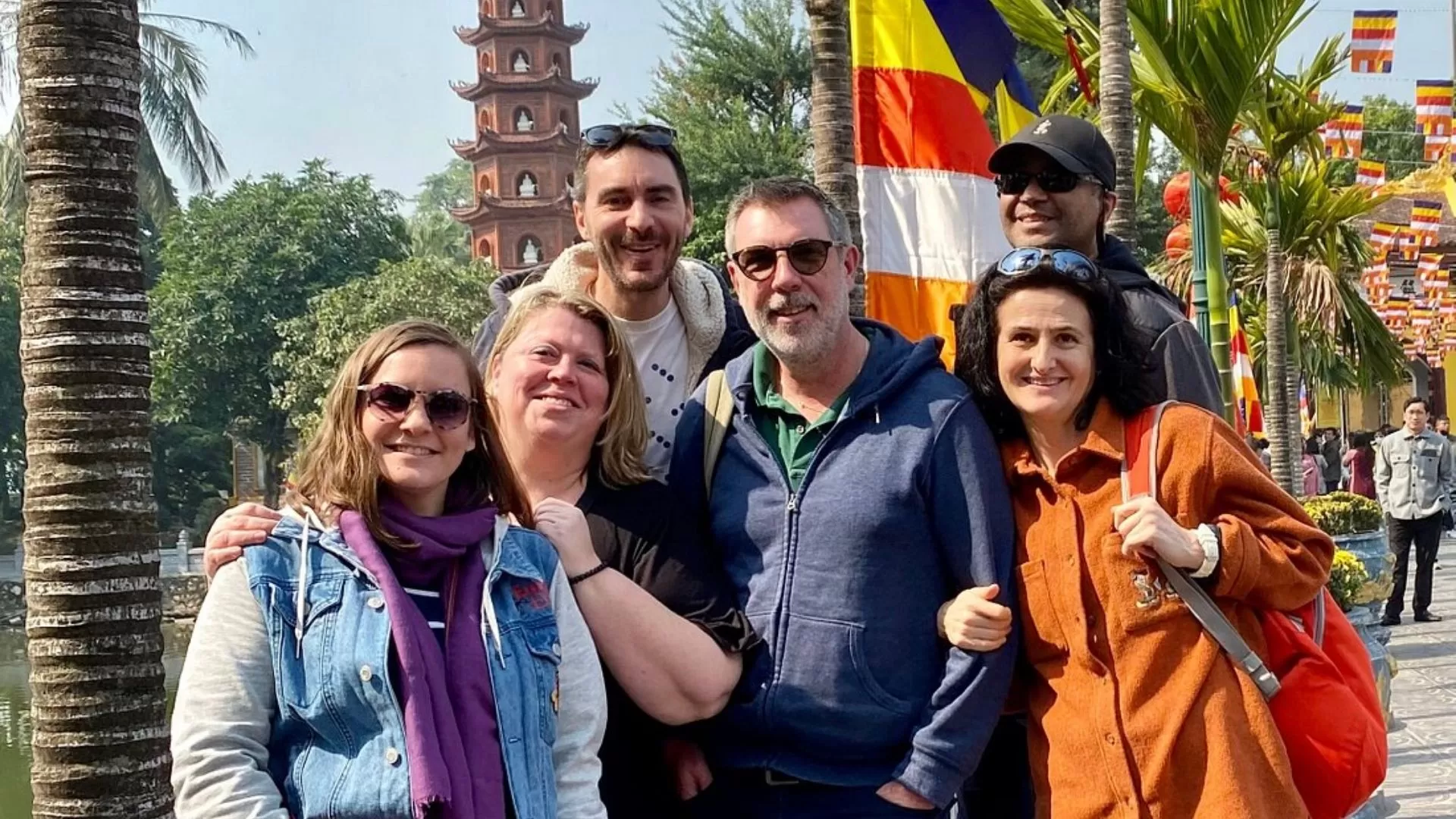 |  |
High-end North Vietnam tour 12 days Featuring a seaplane ride over stunning Halong Bay and luxurious regional experiences | Vietnam Luxury tour from Northern to Southern in 15 days An elegant journey through Vietnam’s top destinations, with premium stays and curated cultural experiences. | Exploring Halong Bay, Phong Nha, the Mekong Delta and more. Experience culture, adventure and breathtaking landscapes! |
What to eat during the rainy season in Vietnam
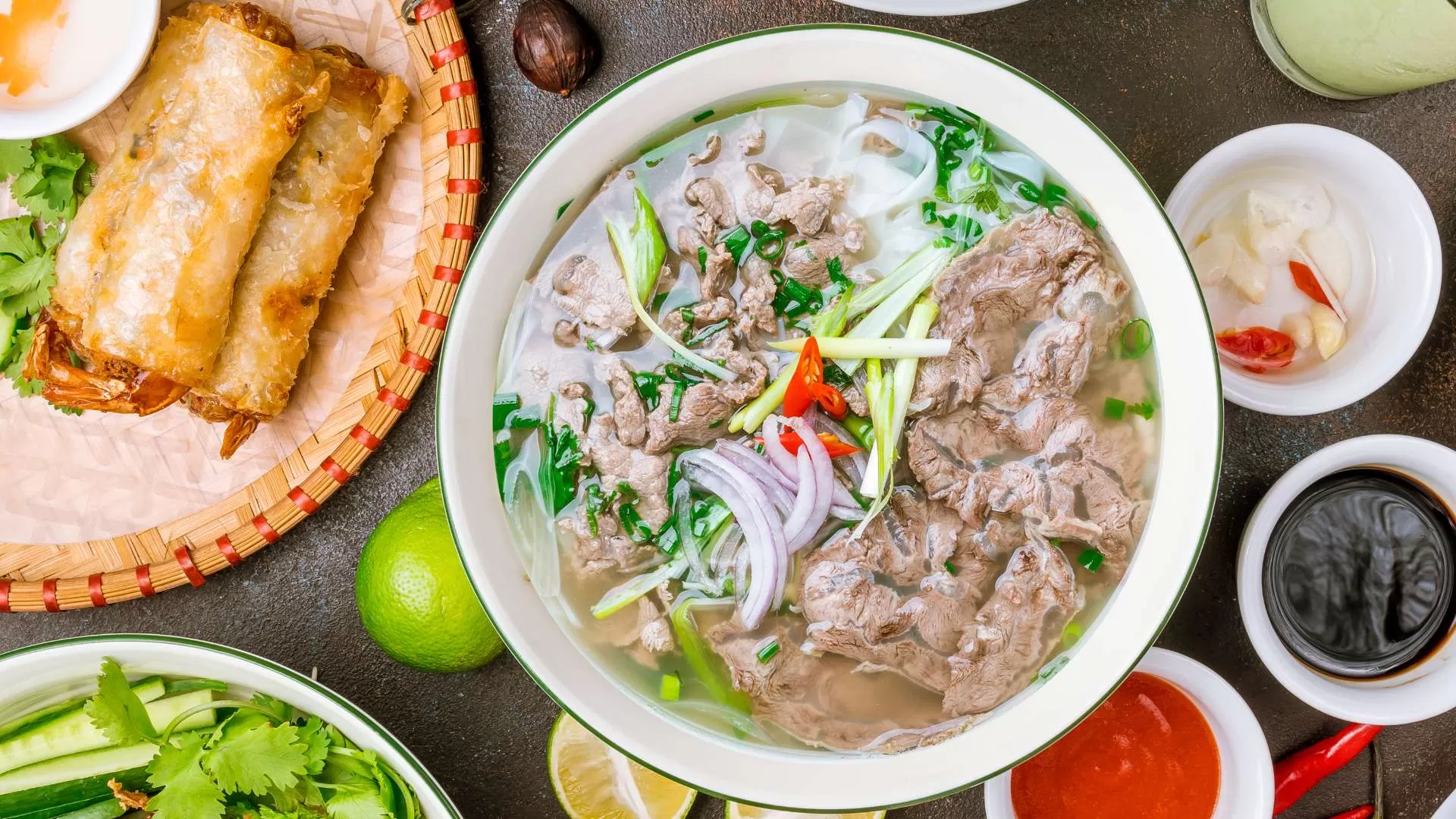
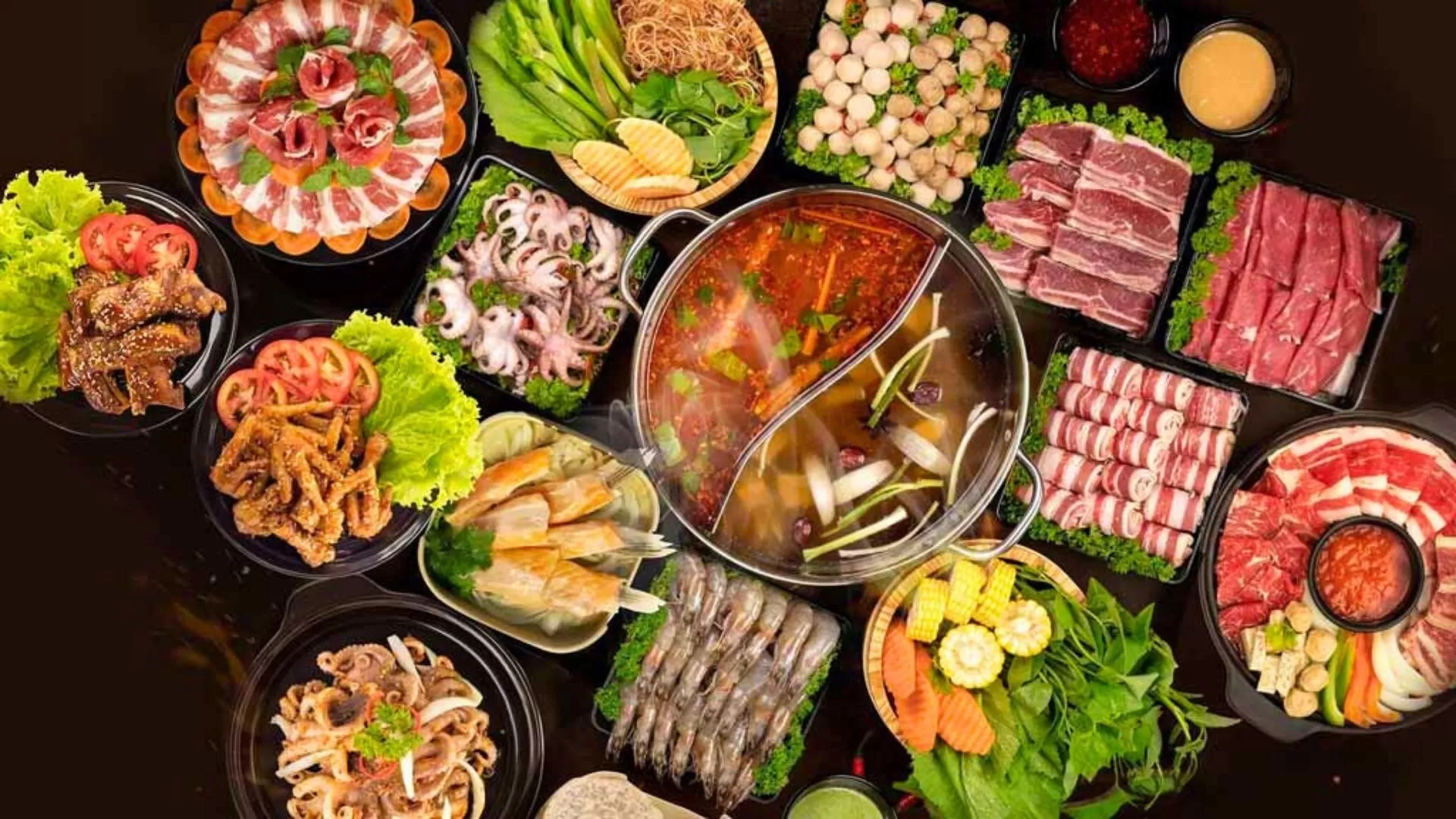
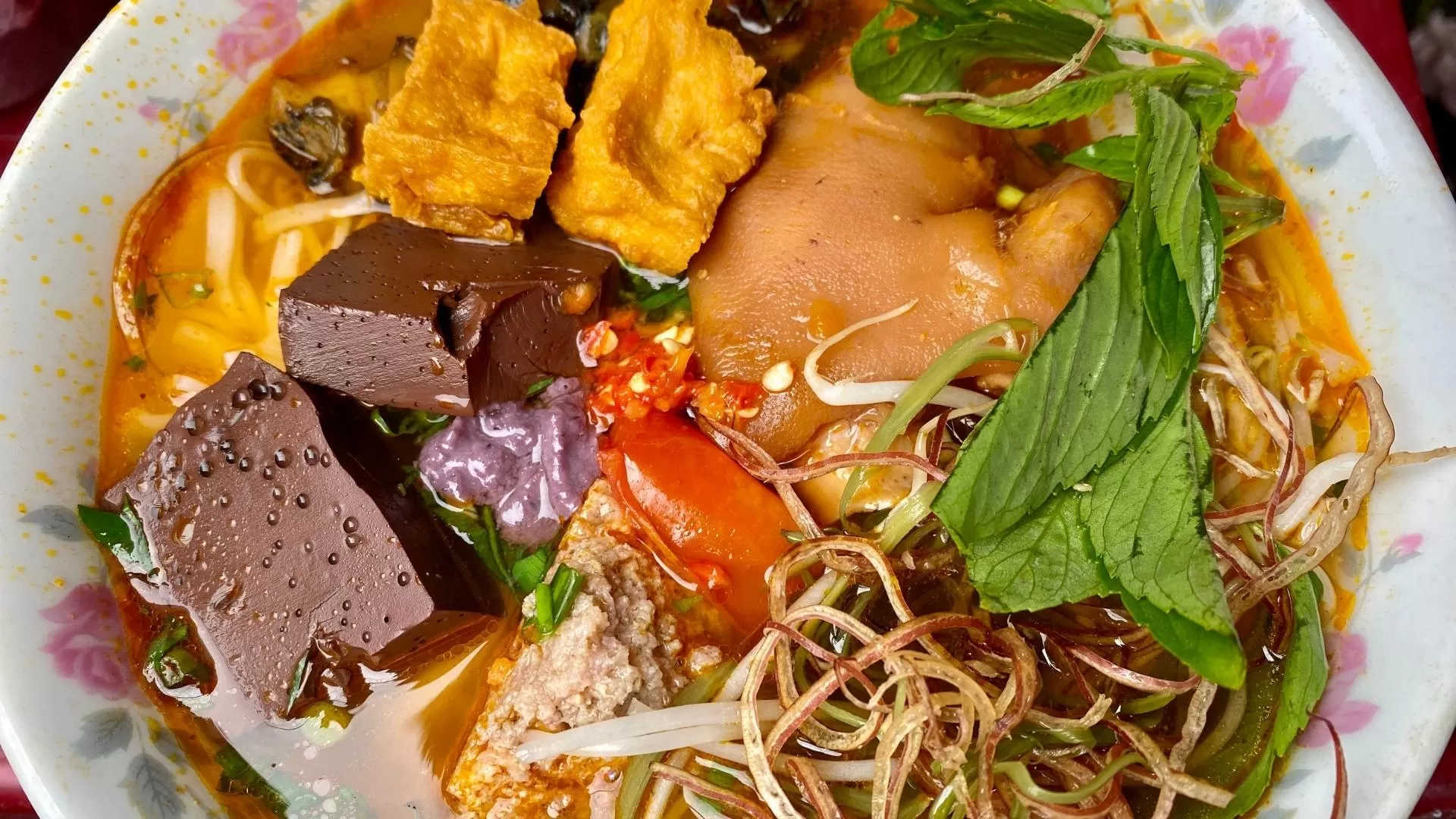
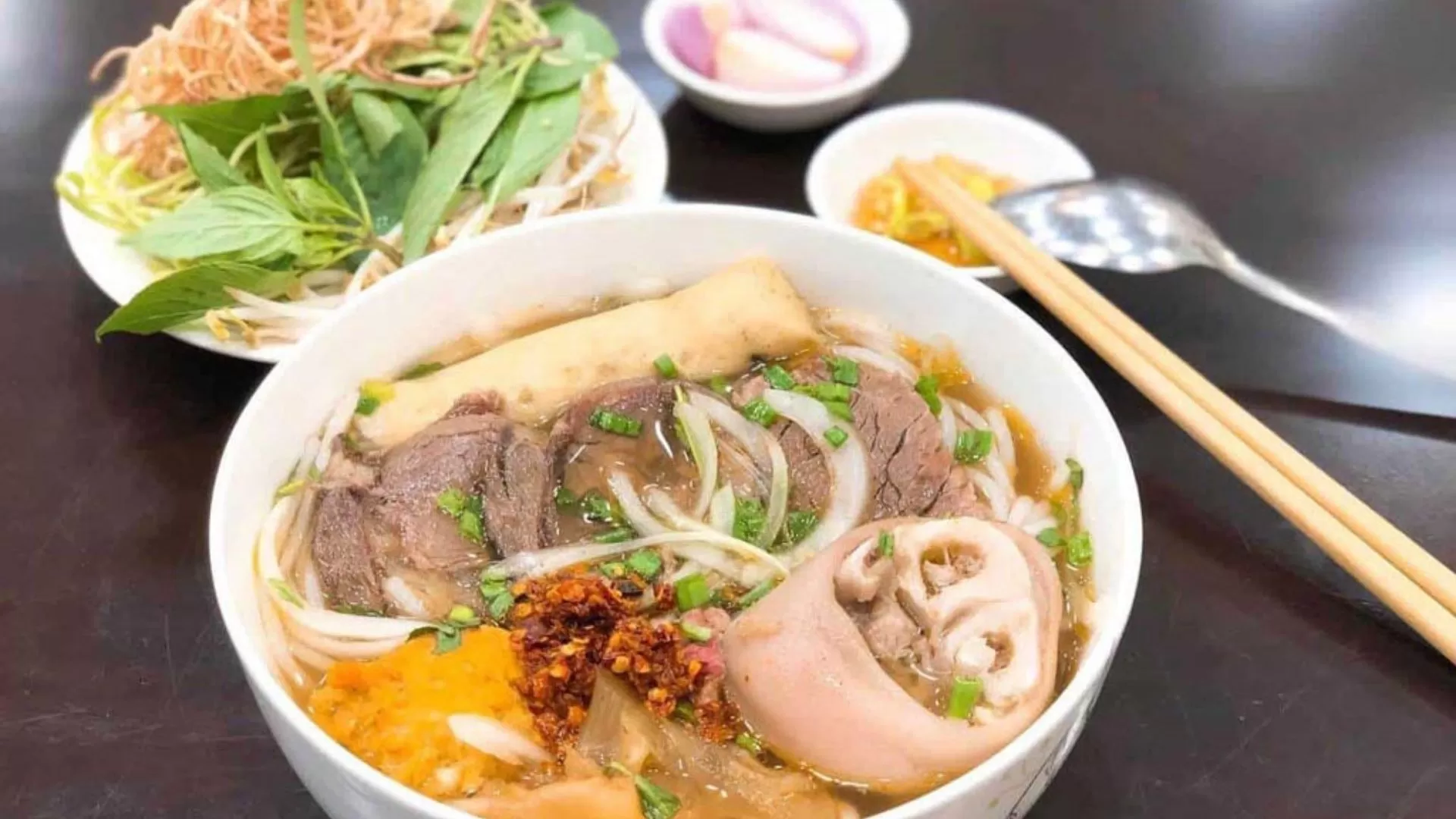
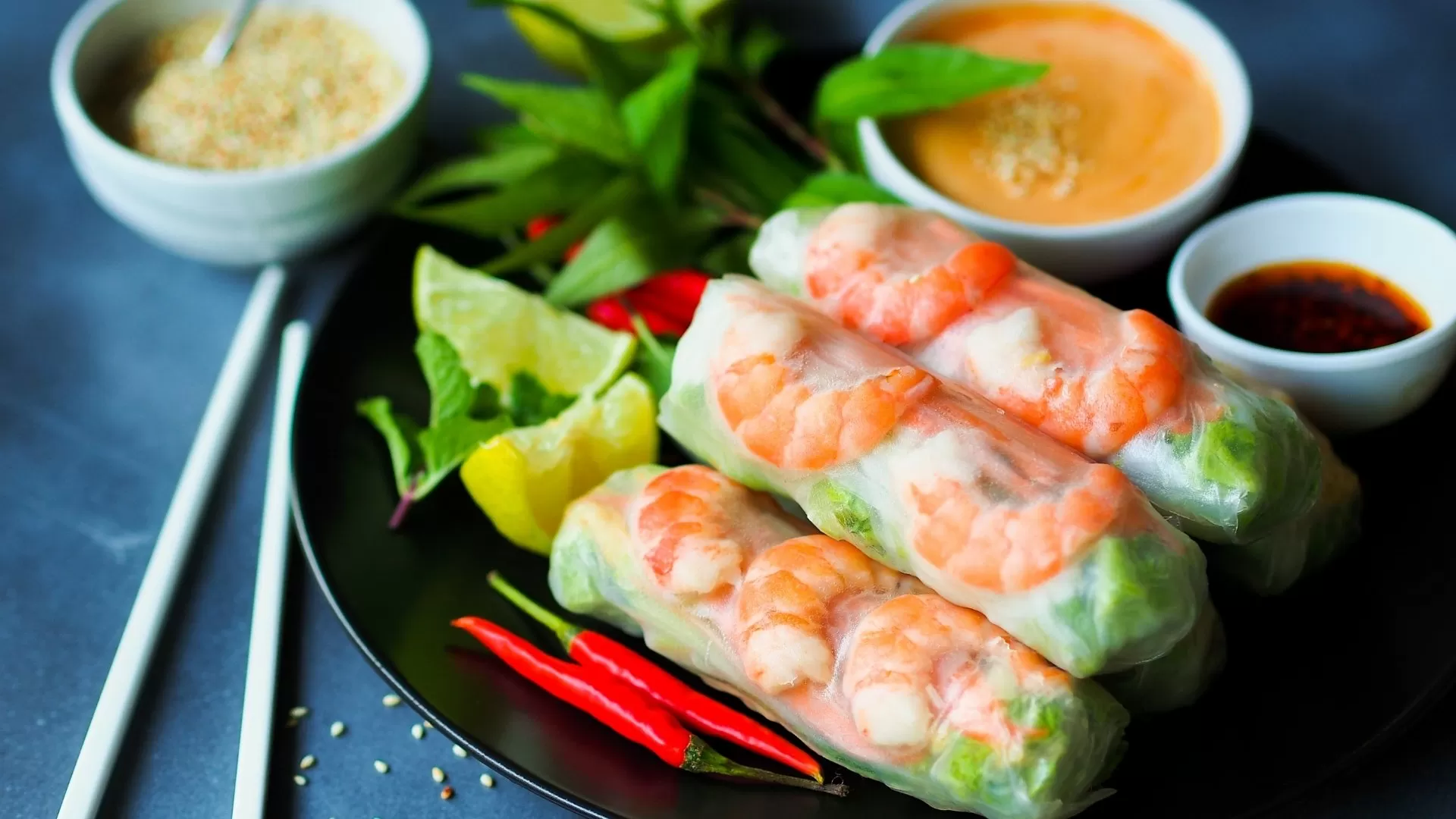
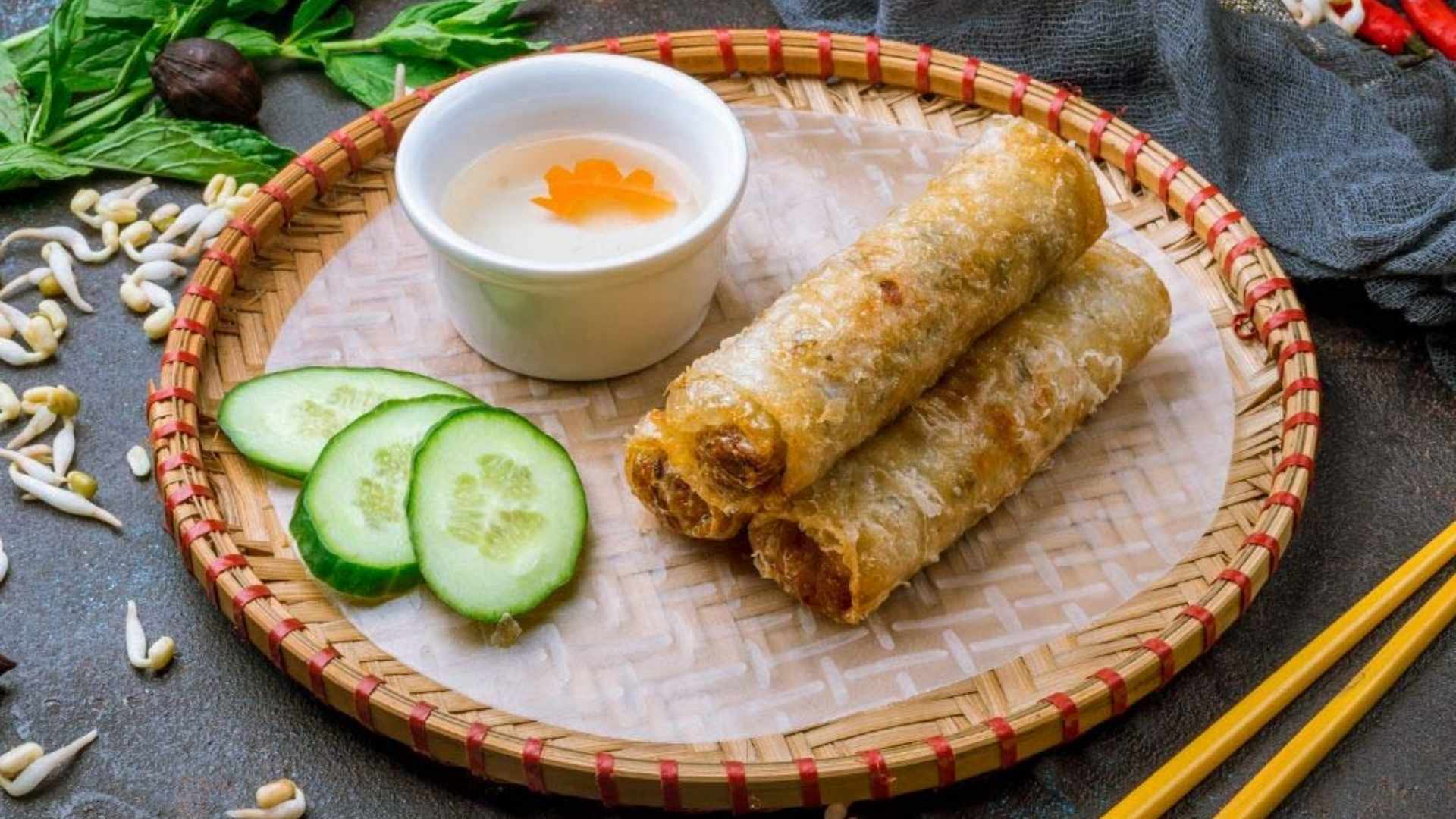
The rainy season in Vietnam is not only a feast for the eyes but also for the taste buds. During this period, the country offers unique culinary delights that are perfect for warming up on cool, rainy days. Understanding what to eat during Vietnam’s rainy season can make your trip even more memorable.
Top 10 dishes to enjoy during the rainy season |
|
Travel tips for visiting Vietnam in the rainy season
Traveling during the rainy season in Vietnam can be a unique and rewarding experience if you prepare carefully. With the right tips, you can enjoy lush landscapes, fewer crowds and authentic cultural experiences even when the skies are gray. Here are some practical travel tips for the Vietnam rainy season:
Book with reliable local agencies
Booking your trip through a trusted local travel agency can make a huge difference when visiting Vietnam during the rainy season. Local agencies, like Hanoi Voyages, have extensive knowledge of the Vietnam rainy season months, including typical weather patterns, safe travel routes and contingency plans for storms or heavy rain.
Benefits of booking with a reliable agency include:
Flexible itineraries: They can adjust your schedule in real time if rain or typhoons affect your plans.
Local expertise: They know which destinations are best visited during rainy periods and which are safer to skip.
Safety and support: If unexpected weather occurs, you’ll have guidance for transportation changes, accommodation alternatives and indoor activities.
Stress-free travel: You can enjoy your trip without constantly worrying about the rain or navigating unfamiliar roads.
Packing smart
Be ready for sudden showers and wet conditions. Essential items include:
Light raincoat or poncho for quick protection from rain.
Dry bag to keep electronics, documents and valuables safe.
Quick-drying shoes or sandals suitable for walking in wet conditions. Packing smart ensures comfort and convenience during your adventures.
Plan flexible itineraries
The weather can be unpredictable during the rainy season in Vietnam, so always have backup plans:
Schedule outdoor activities in the morning when rain is less likely.
Keep indoor options like museums, cooking classes, or cafés ready for rainy afternoons.
Flexibility allows you to fully enjoy each destination without stress.
Choose the right transport
Selecting safe and convenient transportation is crucial:
Domestic flights are ideal for long distances.
Trains or cars with covered transport work well for shorter trips.
Avoid riding scooters in heavy rain unless you are an experienced driver.
Stay updated
Regularly check weather forecasts and storm warnings, especially in Central Vietnam.
Be prepared for delays or changes in schedule during heavy rains or typhoons.
Traveling during the rainy season in Vietnam reveals a more authentic side of the country - lush landscapes, peaceful streets and rich cultural encounters. Embrace the charm of the monsoon and let each destination surprise you with its beauty. Plan your Vietnam journey today with Hanoi Voyages for an unforgettable experience. Contact us now!
FAQs about traveling during the rainy season in Vietnam
1. When is the rainy season in Vietnam?
The rainy season in Vietnam varies by region. In the North, it typically lasts from May to September; the Central region experiences heavy rains between September and December; and the South has its monsoon season from May to November.
2. Is it worth traveling to Vietnam during the rainy season?
Absolutely! Traveling during the rainy season in Vietnam means fewer crowds, greener scenery, and better prices on flights and hotels. It’s also a great time for photography and cultural experiences.
3. Does it rain all day during the Vietnam rainy season?
No. Most of the time, rain showers are short and happen in the late afternoon or evening, leaving the rest of the day perfect for sightseeing and exploring.
4. What should I pack for the rainy season in Vietnam?
Light, quick-drying clothes, a compact raincoat or poncho, waterproof shoes, and a dry bag for electronics are must-haves. Don’t forget mosquito repellent and sunscreen - the sun often shines between rains!
5. Are tours still available during the rainy season?
Yes! Most tours run year-round. Local operators like Hanoi Voyages design flexible itineraries to make the most of each region - rain or shine.
Dream about your trip to Asia, in private
We are here to make it happen with youFREE QUOTE, WITHOUT OBLIGATION
FEATURED BLOG


RELATED TOURS



Read the next
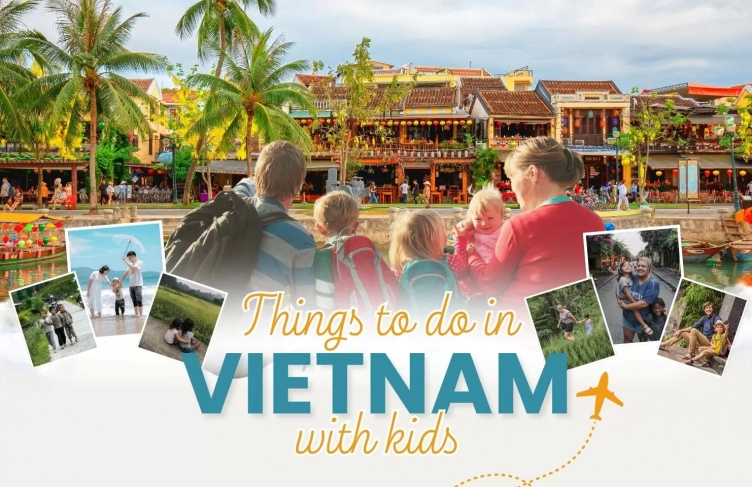
Top 13 things to do in Vietnam with kids
Traveling through Vietnam with kids offers endless surprises - unique cuisine, vibrant traditions, and friendly locals make every stop a joyful discovery. Families will find Vietnam both inspiring and welcoming for children of all ages.


Recently viewed
When is the best time to travel to Laos and Cambodia?
Choosing the best time to travel to Laos and Cambodia is key to experiencing golden rice fields, tranquil ...
06 Oct, 2025 | Travel tips

When is the best time to visit Northern Vietnam?
Looking for the best time to visit Northern Vietnam? Whether it’s misty mountains, golden rice fields, ...
08 Oct, 2025 | Travel tips

Vietnam itinerary 7 days: What to do & see from North to South
A Vietnam itinerary 7 days offers the perfect blend of culture, nature and history. Experiencing the true essence of ...
13 Oct, 2025 | Travel tips
Best places to visit in Southeast Asia 2025-2026
The beauty of Thailand, Vietnam, Laos and Cambodia continues to make Southeast Asia one of the best regions ...
17 Oct, 2025 | Top attractions
Can't find what you're looking for? No problem!!!!
It's not here but we can do it! Tell us what you want! And you will have it.