

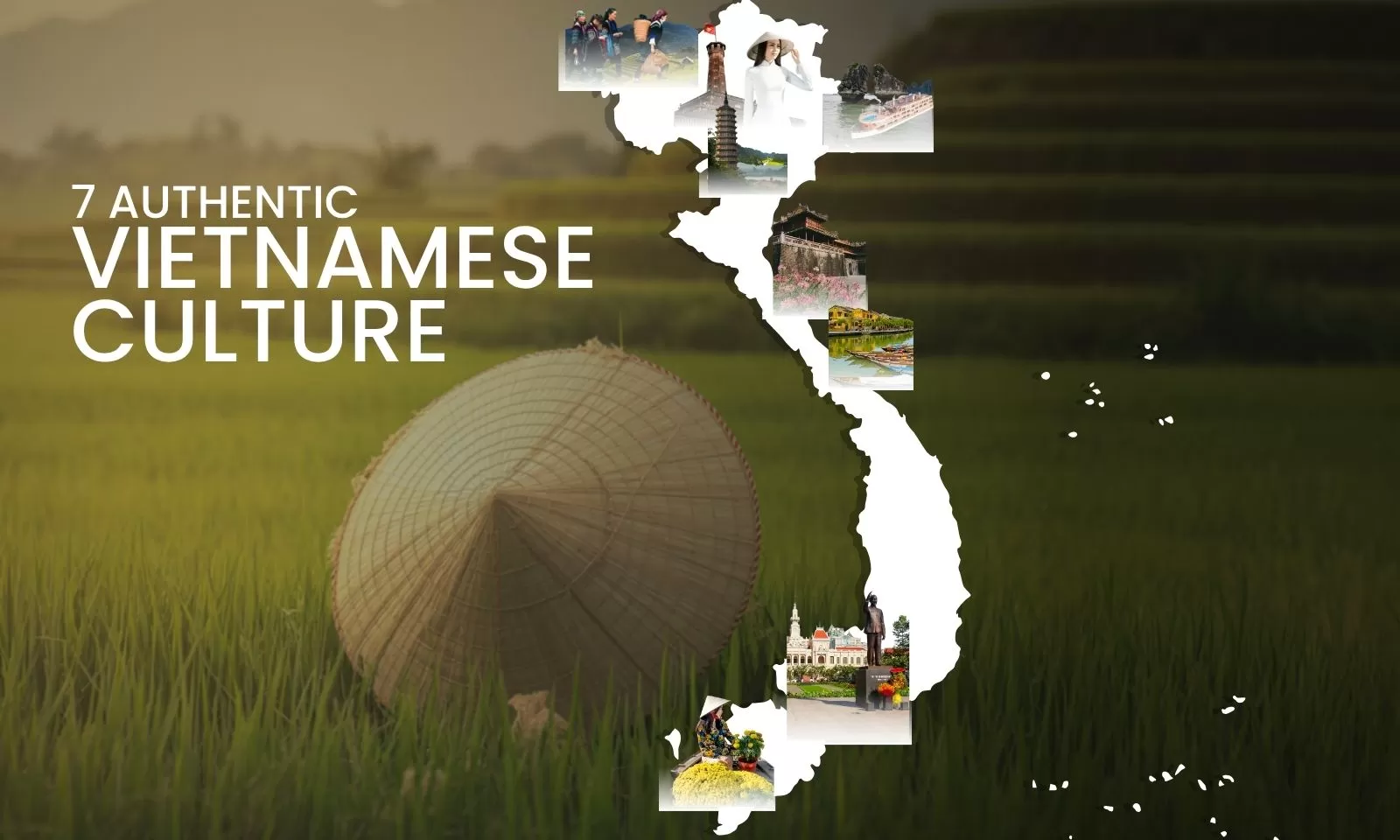
Top 7 authentic Vietnamese culture to explore
Deeply rooted in history and tradition, Vietnamese culture showcases the nation’s rich heritage and diversity. From ancient customs and traditional crafts to unique architecture, cuisine and festivals, every element reflects the soul of Vietnam. Let’s discover!

Passionate traveler and content creator, I love exploring new destinations and sharing authentic experiences through insightful blog articles. With years of experience in travel content creation, I aim to inspire readers with practical tips and captivating stories.
Vietnam is a country with a deeply rooted and diverse culture shaped by thousands of years of history. Influenced by dynasties, religions and ethnic traditions, Vietnamese culture beautifully blends ancient heritage with modern life, creating a unique national identity.
In this article, we’ll explore nine authentic aspects of Vietnamese culture - from traditional festivals, folk arts and architecture to cuisine, attire and ancestral beliefs - offering you a closer look into the soul of Vietnam.
Ready to uncover the stories, symbols and traditions that make Vietnam truly captivating? Let’s begin your cultural journey through this fascinating land.
Table of Contents
- Vietnamese culture: What you need to know
- Top 7 authentic highlights of Vietnamese culture
- Vietnamese clothing and traditional attire
- Regional Vietnamese cuisine and food culture
- Vietnamese traditional festivals and celebrations
- Vietnamese architecture and historic sites
- Traditional handicrafts and villages in Vietnam
- Music, arts and performing traditions in Vietnam
- Religious practices and ancestral worship
- Some must-try Vietnamese cultural experiences for tourists
Vietnamese culture: What you need to know
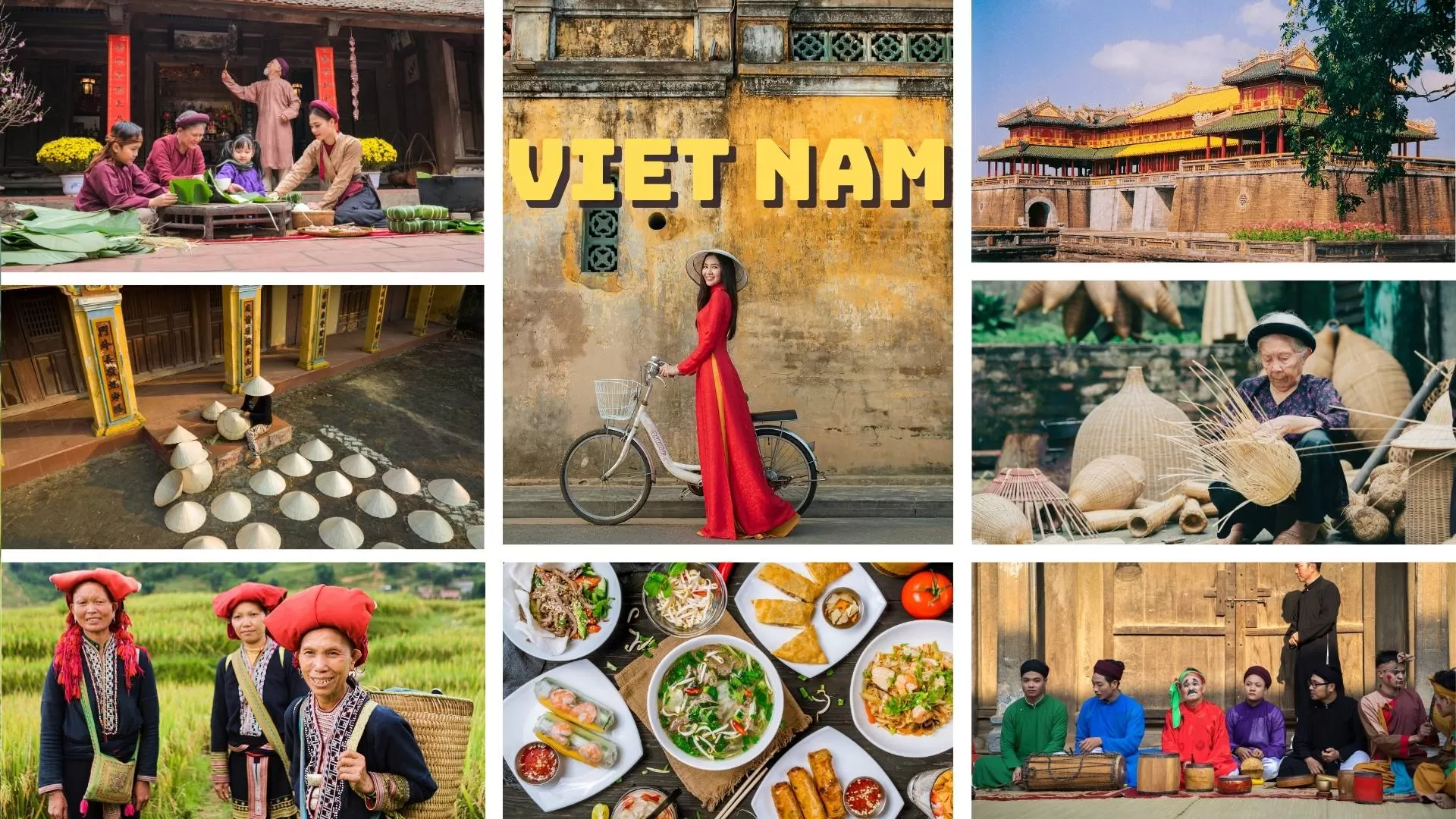
Vietnamese culture is one of the oldest and richest in Southeast Asia, shaped by thousands of years of history, traditions and diverse ethnic influences. It reflects a harmonious blend of indigenous customs, Confucian values and Buddhist beliefs — all deeply rooted in family, community and respect for ancestors.
The culture is also defined by its regional diversity: the north is known for its traditional customs and historical heritage, the central region for its royal legacy and craftsmanship and the south for its openness and multicultural charm.
To learn more about the traditions, customs and values that shape everyday life in Vietnam, keep reading below and uncover the authentic beauty of Vietnamese culture.
Top 7 authentic highlights of Vietnamese culture
Vietnamese culture shines through its vibrant festivals, elegant traditional attire, skilled handicrafts, diverse regional cuisine, iconic architecture, rich music, performing arts, enduring religious and ancestral traditions, reflecting the nation’s unique heritage.
In this section, we highlight the top 7 authentic elements that best represent Vietnamese culture and its timeless charm.
Vietnamese clothing and traditional attire
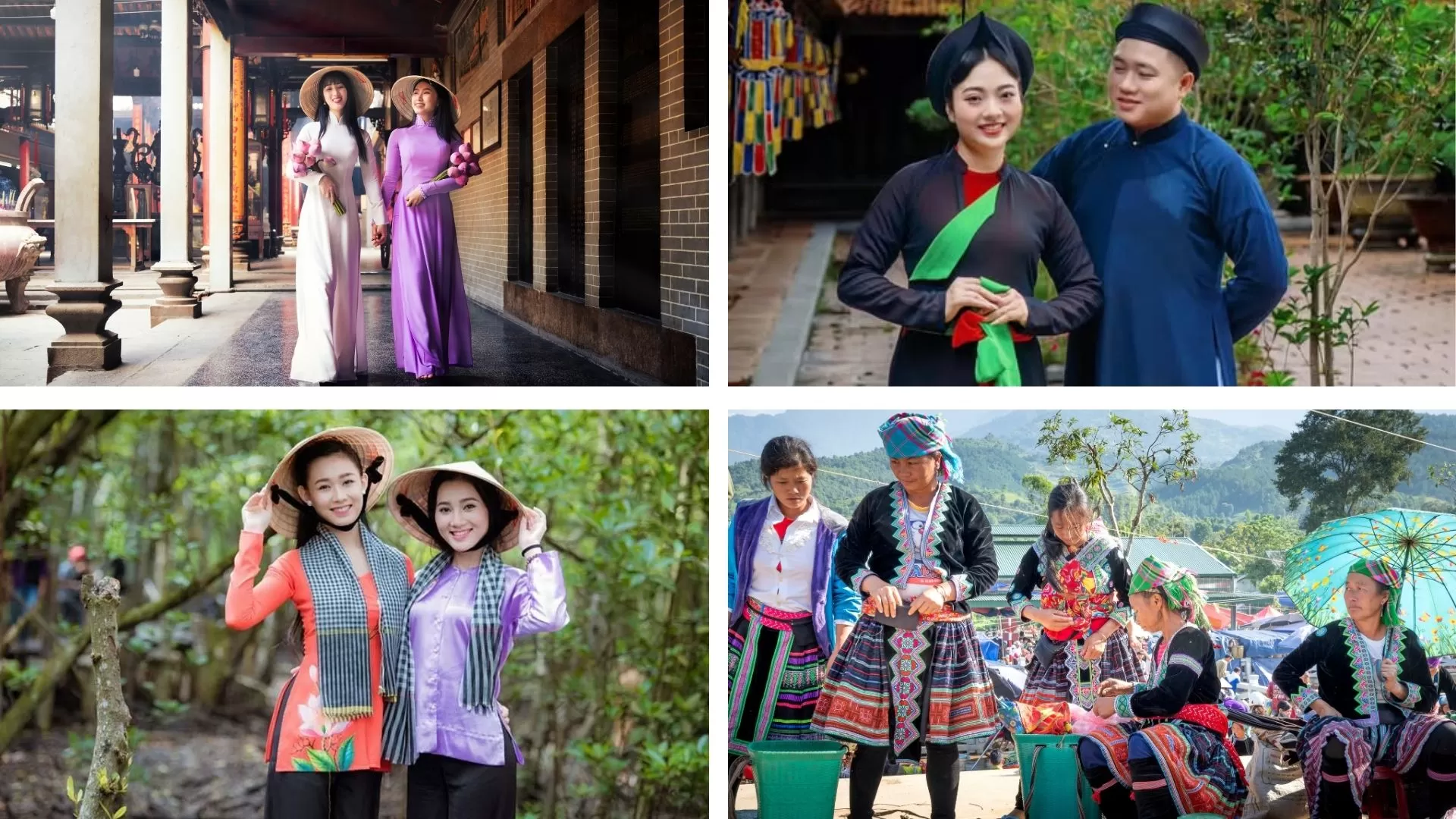
Clothing is a vibrant reflection of Vietnamese culture, capturing the nation’s history, traditions and regional diversity. With 54 ethnic groups, Vietnam boasts an array of traditional attire, each group expressing its unique identity through colors, patterns and styles. Over centuries, these garments have evolved to suit local climates, social customs and practical needs, while still preserving symbolic meanings.
The most widely recognized outfit is the Ao Dai, worn by the Kinh majority, symbolizing elegance and grace. Other traditional costumes include:
Ao Tu Than – a four-part dress popular in northern regions.
Colorful embroidered dresses of the Hmong, Tay and Dao ethnic groups in the northern highlands.
Long robes and turbans of the Cham people in central Vietnam.
Ao Ba Ba – a simple yet practical outfit of southern Vietnam.
Despite modernization, many of these costumes are still proudly worn during festivals, weddings and cultural ceremonies, preserving the living spirit of Vietnam’s diverse heritage.
💡 Did you know?
The Kinh (Viet) people make up about 86% of Vietnam’s population and are the main wearers of the Ao Dai and Ao Ba Ba.
Major ethnic minority groups include the Tay, Thai, Muong, Hmong, Dao and Cham, each with its own traditional attire that reflects regional customs and spiritual beliefs.
Regional Vietnamese cuisine and food culture

Food lies at the heart of Vietnamese culture, embodying the country’s deep-rooted Vietnamese customs, traditions and culture. Vietnamese cuisine is renowned for its fresh ingredients, harmonious balance and the interplay of five essential tastes - sweet, sour, salty, bitter and spicy.
Across the nation, culinary styles vary greatly, shaped by geography and local ingredients:
Northern Vietnam cuisine is known for its light, delicate flavors with minimal use of spices - dishes like pho, bun cha and banh cuon showcase balance and refinement.
Central Vietnam offers bold, spicy and colorful dishes, influenced by the former imperial capital of Hue - examples include bun bo Hue and banh beo.
Southern Vietnam embraces sweet and tropical flavors, making use of coconut milk, fresh herbs and vibrant ingredients - found in hu tieu, banh xeo and com tam.
Together, these regions create a diverse Vietnamese food culture that reflects both unity and variety - a culinary journey through the country’s landscapes and way of life.
Tet cuisine is also a vital part of Vietnamese culture, reflecting Vietnamese customs and traditions through symbolic dishes of luck and reunion, find out more: Top 15 indispensable best Tet cuisine of three regions in Vietnam
💡 Did you know? 👉 Sharing food is one of the most cherished Vietnamese customs, often seen in the way people dip into the same bowl of fish sauce or enjoy shared dishes together, symbolizing warmth and togetherness. 👉 It’s polite to wait for the eldest person to start eating before others join in - a sign of respect in Vietnamese traditions. 👉 Chopsticks should never be placed upright in a bowl of rice, as it resembles incense offerings to ancestors. 👉 Meals often end with fresh fruit or tea, representing balance and gratitude - key values in Vietnamese culture and traditions. |
Vietnamese traditional festivals and celebrations
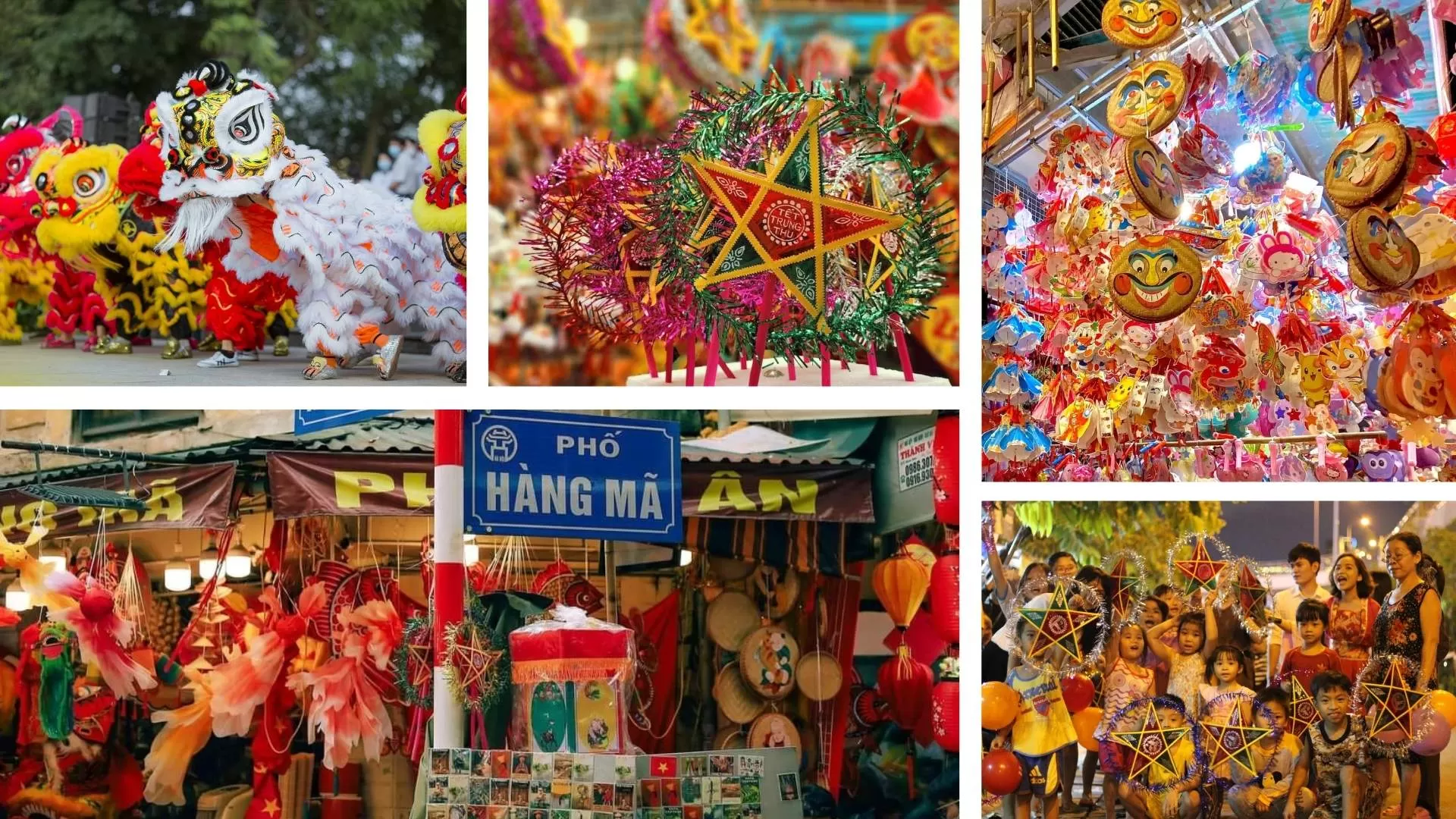
Vietnamese festivals are a vibrant reflection of the country’s rich culture and traditions, blending spiritual beliefs, community spirit and a deep respect for nature and ancestors.
Many Vietnamese festivals follow the lunar calendar, meaning their dates change each year. Most festivals take place between January and April, a time believed to bring new energy and good fortune for the year ahead.
Some of the most significant Vietnamese festivals include:
Tet Nguyen Dan (Lunar New Year): The most important festival in Vietnam, marking the arrival of spring and a fresh start. Families reunite, pay respects to ancestors and share symbolic dishes for luck and prosperity.
Mid-Autumn Festival (Tet Trung Thu): A celebration of harvest and family reunion, featuring mooncakes, lanterns and joyful activities for children.
Hung Kings’ Temple Festival: Honors the legendary founders of Vietnam, showing gratitude and national pride through solemn processions and traditional offerings.
Perfume Pagoda Festival: A spiritual pilgrimage in early spring, where locals visit sacred temples nestled in mountains to pray for peace and prosperity.
Hoi An Lantern Festival: Held monthly in the ancient town of Hoi An, when colorful lanterns light up the night to celebrate peace and harmony.
Vietnamese architecture and historic sites
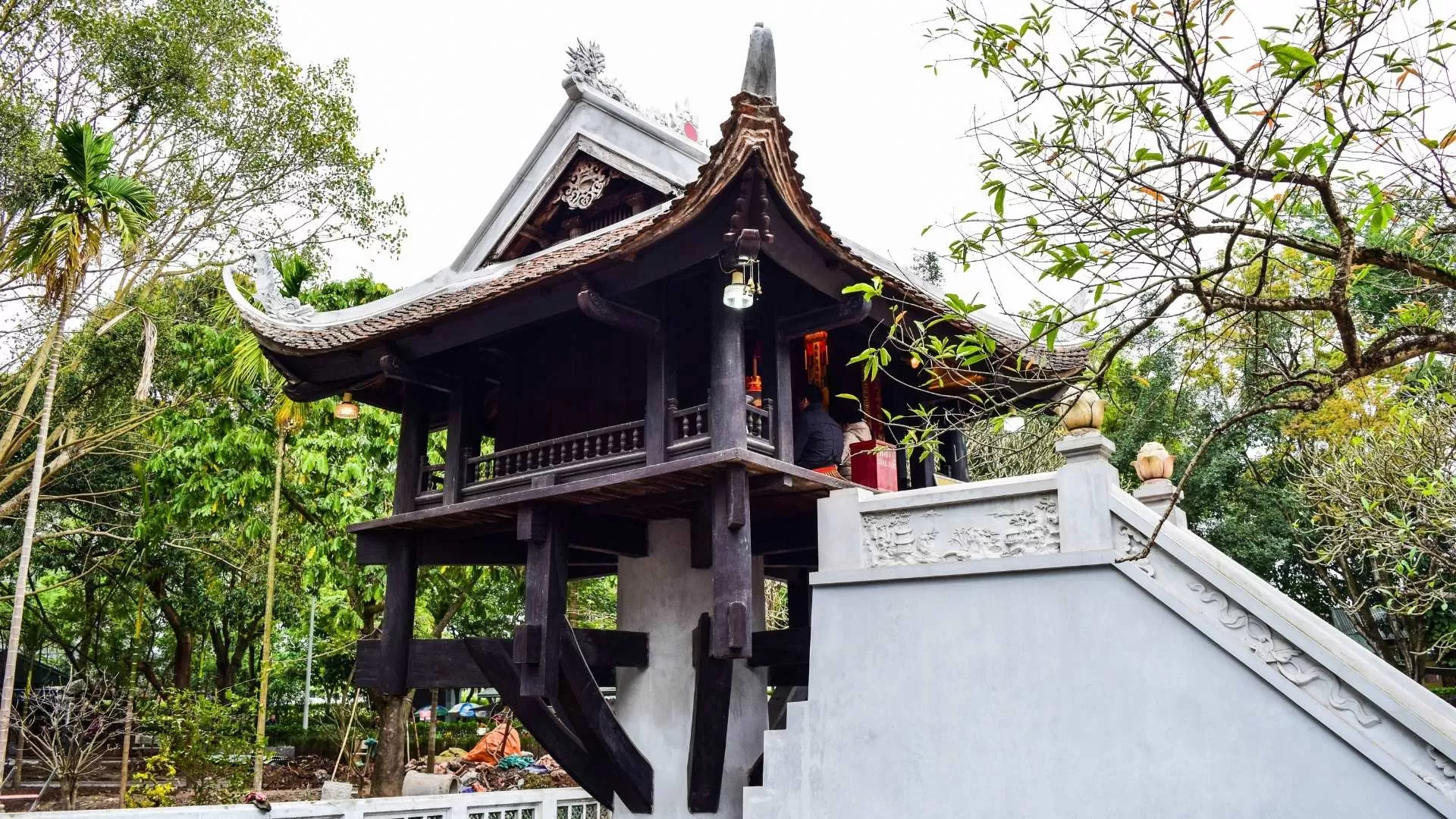
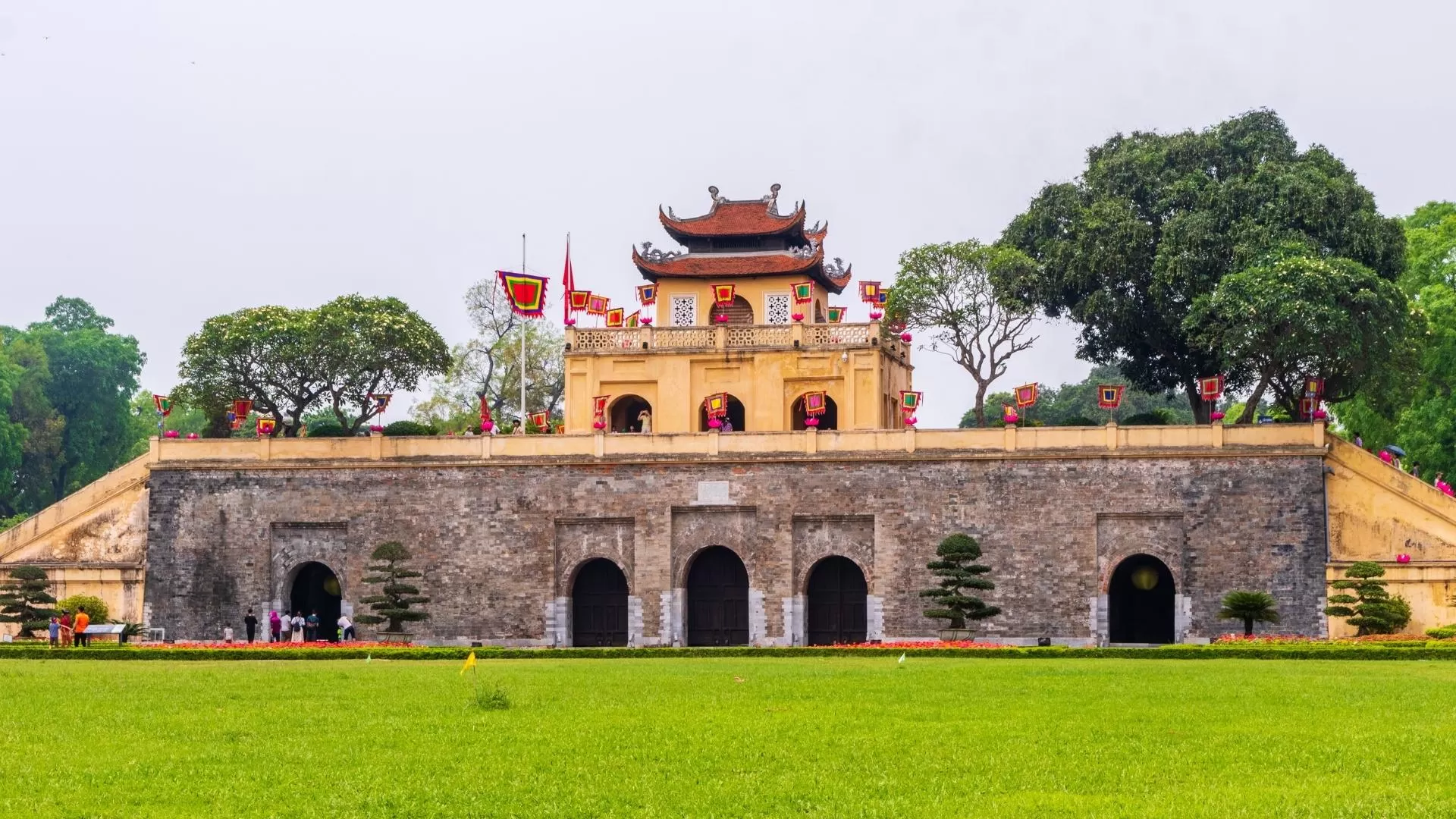
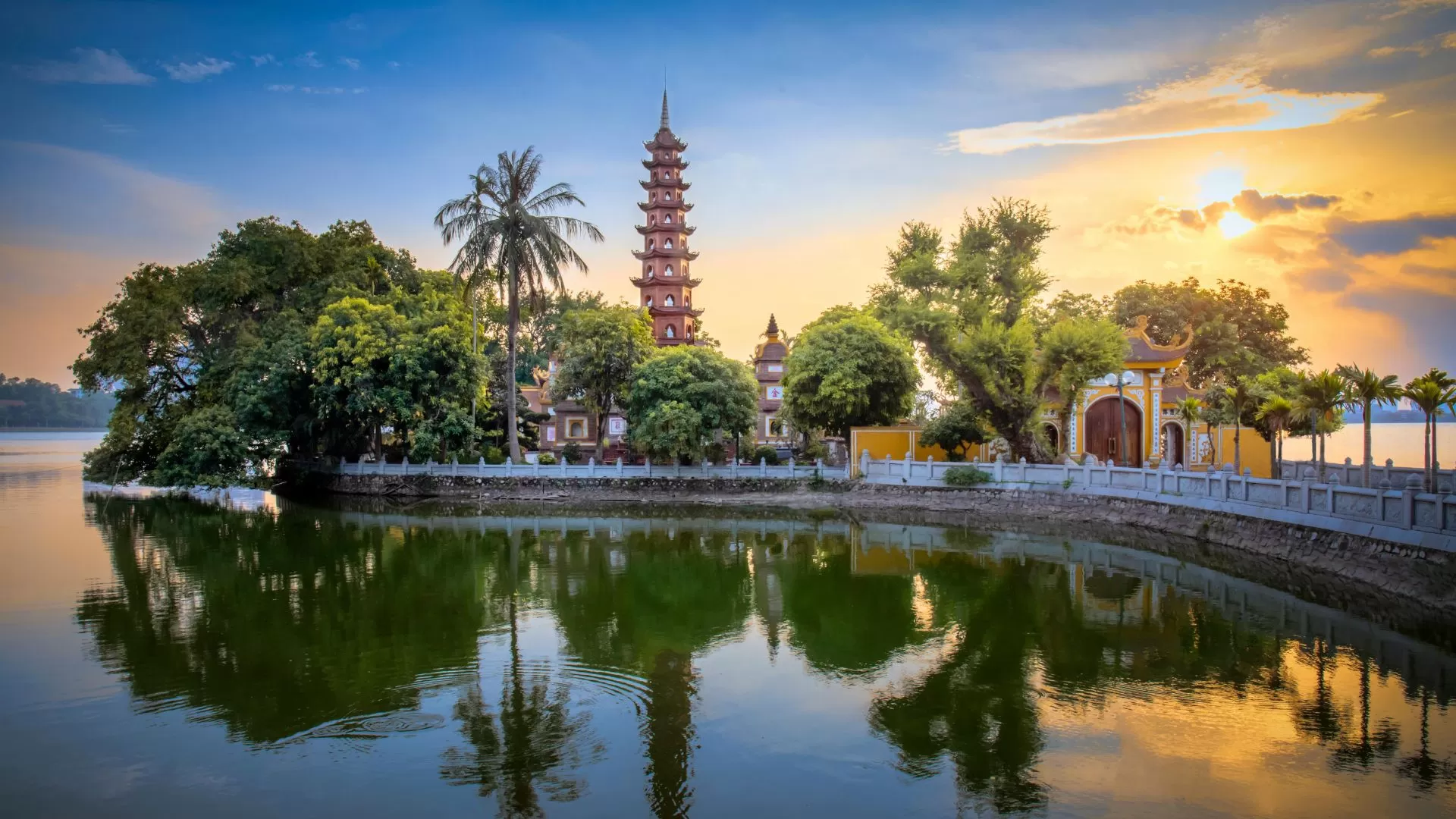
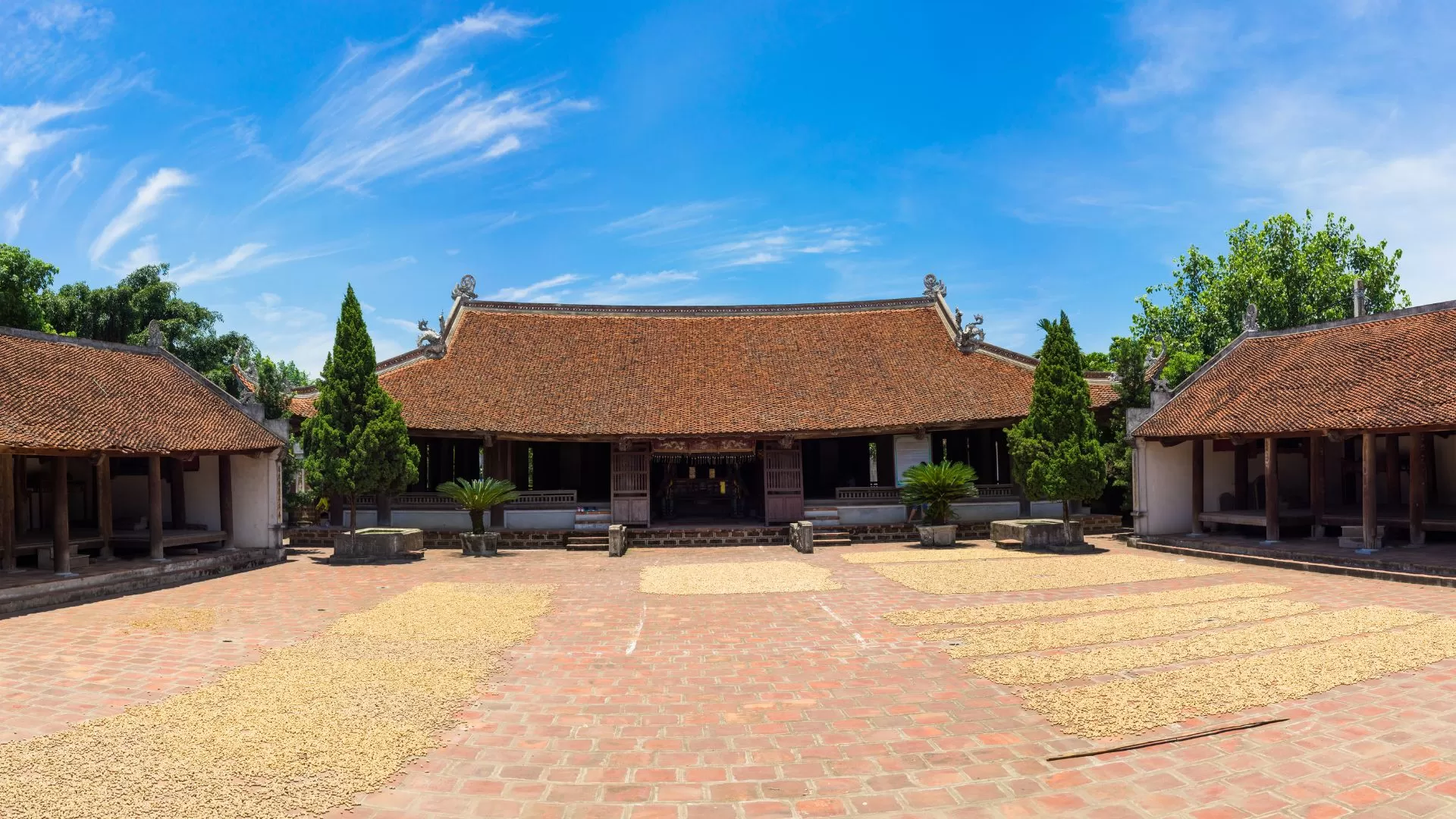
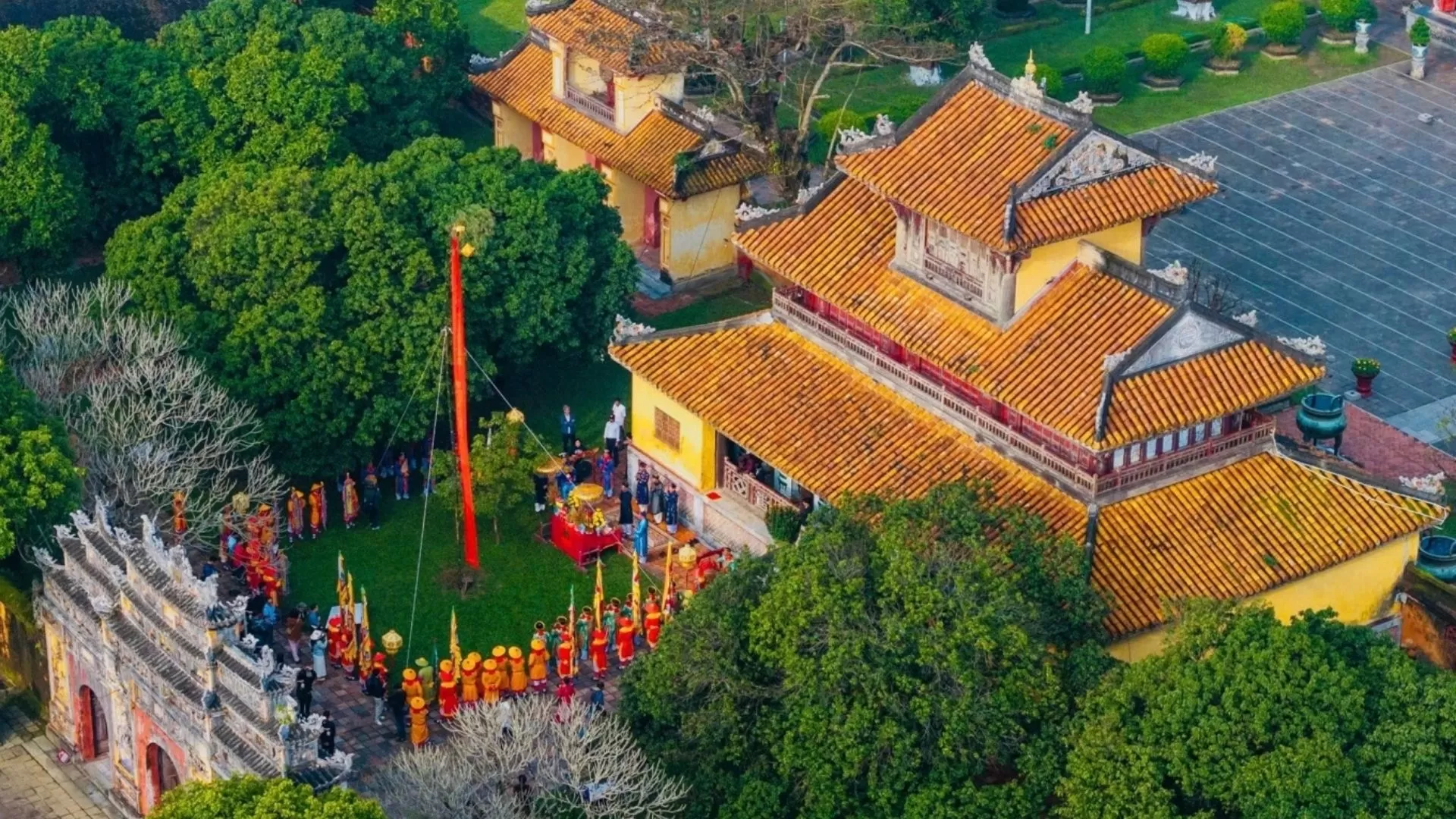
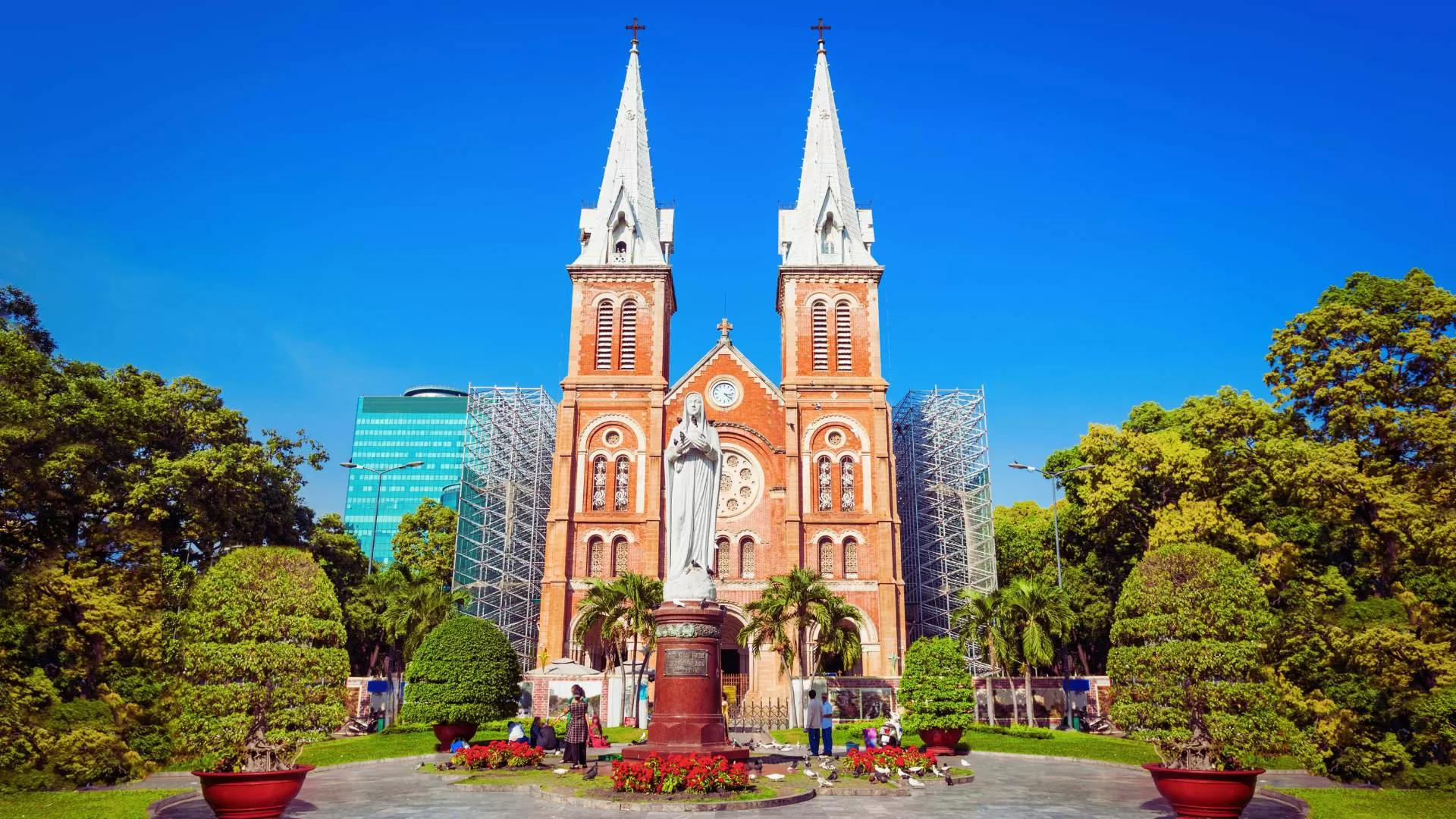
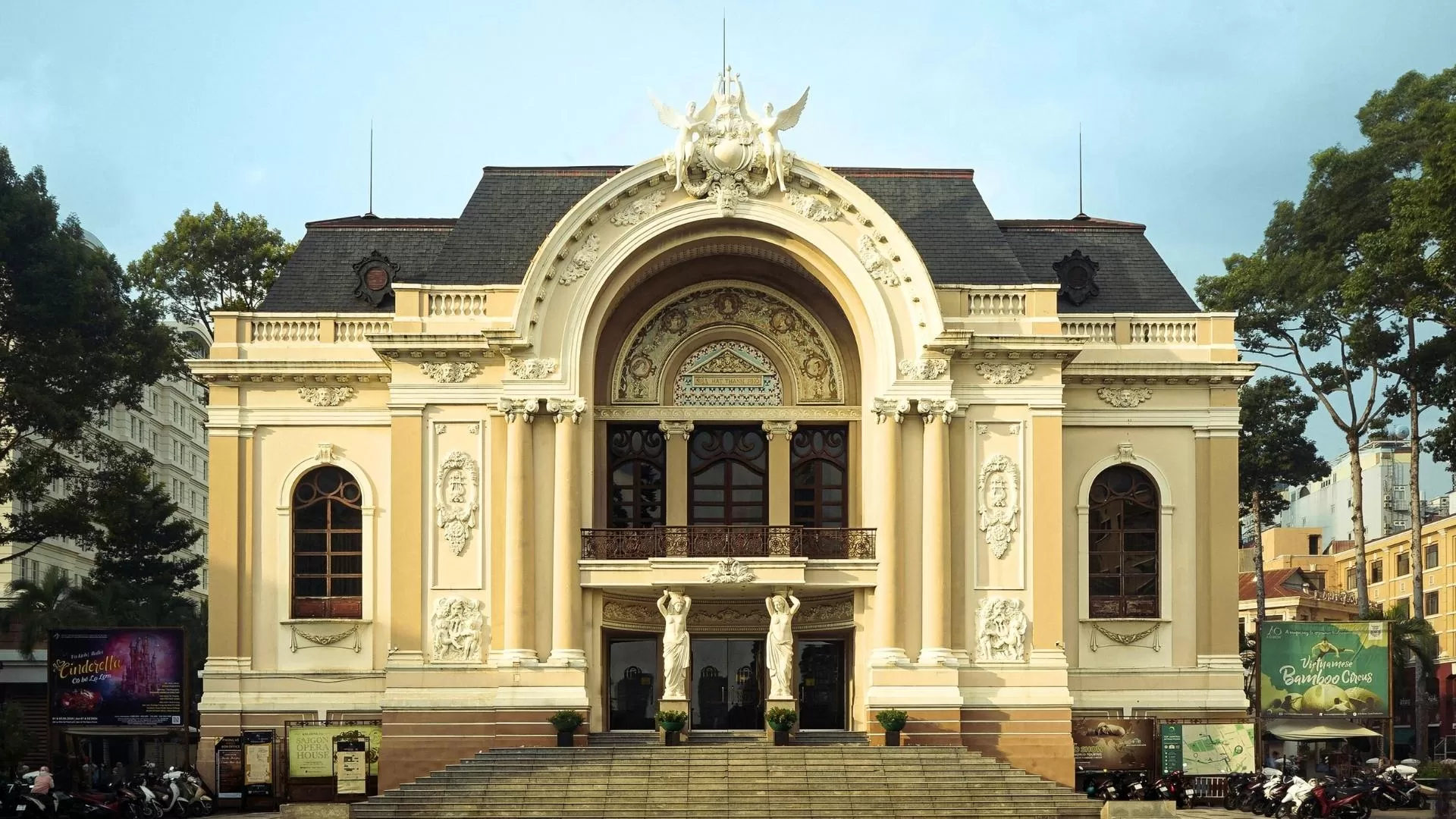
Vietnamese architecture offers a vivid journey through time, blending indigenous design, spiritual values and global influences - a true mirror of Vietnamese culture and traditions.
Below are some of the most distinctive architectural styles and historic landmarks that define Vietnam’s cultural identity
Temples and pagodas
Sacred sites like One Pillar Pagoda and Tran Quoc Pagoda showcase traditional wooden architecture and Buddhist influence, symbolizing peace and spiritual balance in Vietnamese culture.
Imperial citadels and royal palaces
The Thang Long Imperial Citadel and Hue Imperial City highlight Vietnam’s royal legacy, featuring intricate gates, moats and palaces that embody the elegance of Vietnamese traditions.
Communal houses and village structures
The đình (communal house) is the heart of village life, where people gather for meetings, festivals and worship - preserving the spirit of community and Vietnamese customs.
French featured architecture
Landmarks like Saigon Notre-Dame Cathedral and the Hanoi Opera House reveal French influence, merging European elegance with local artistry — adding depth to Vietnamese architectural heritage.
Our carefully crafted Vietnam cultural tours invite you to explore ancient temples, royal citadels and historic towns — where every step reveals the beauty and depth of Vietnamese culture and traditions.
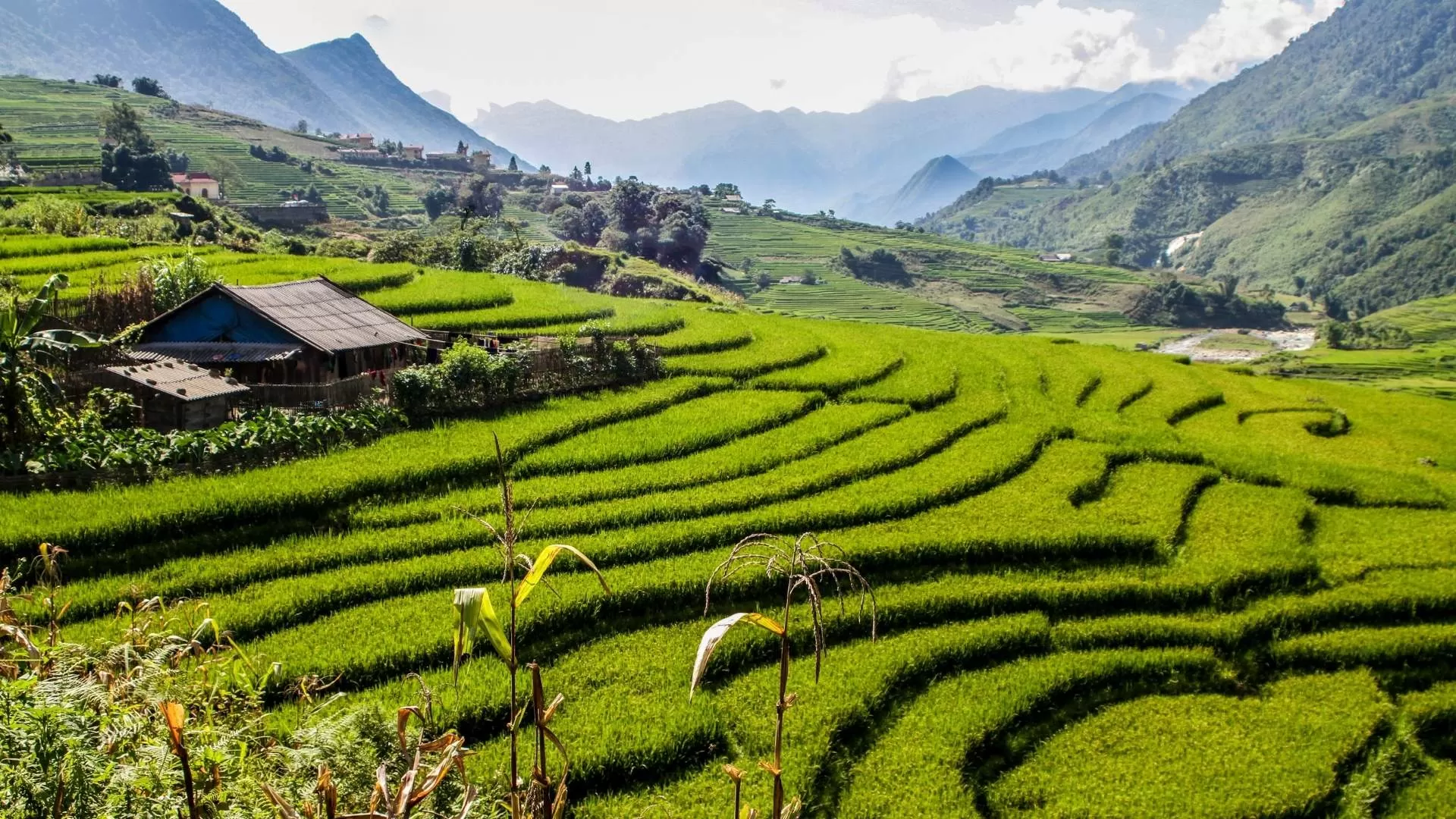 | 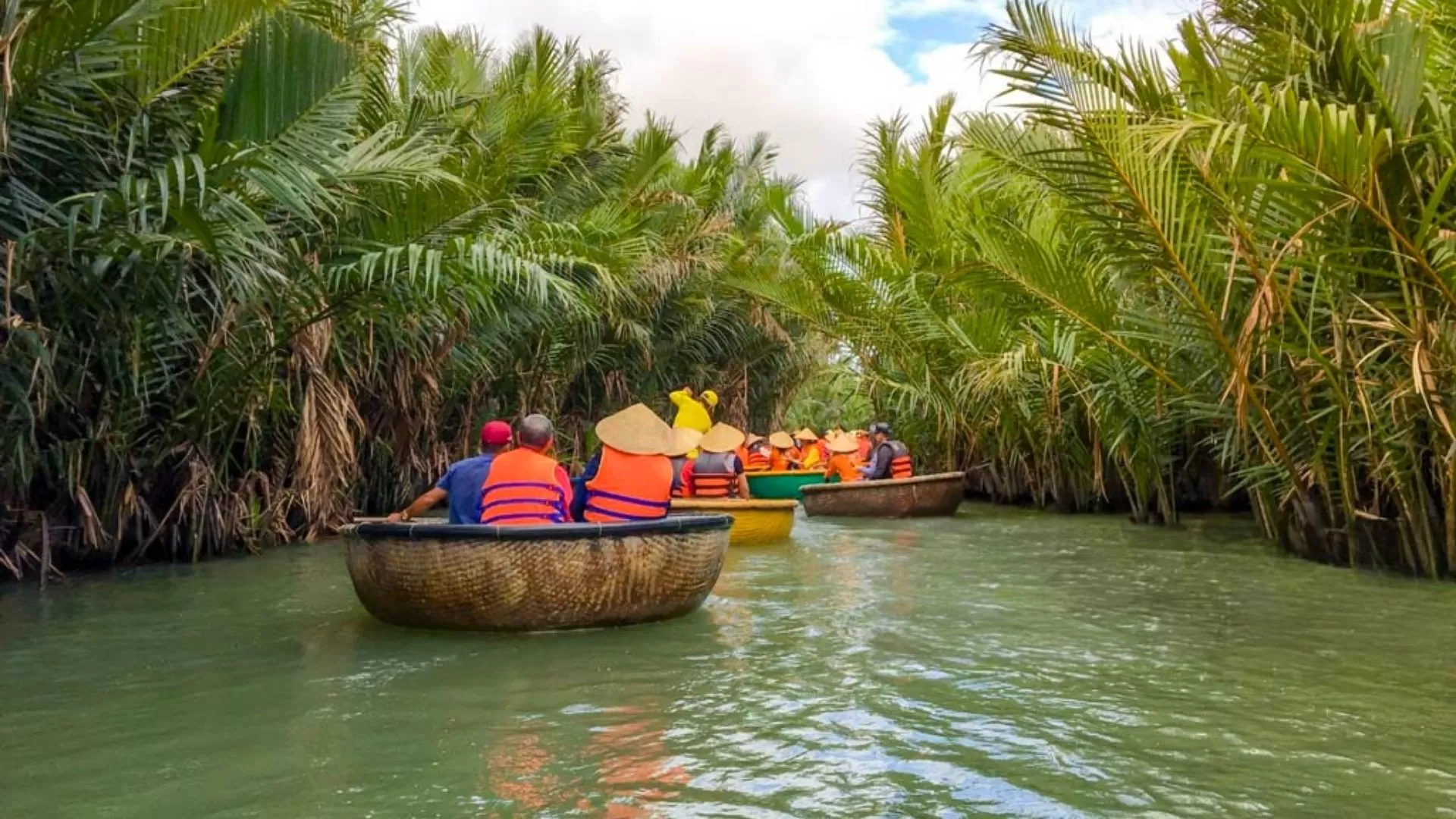 | 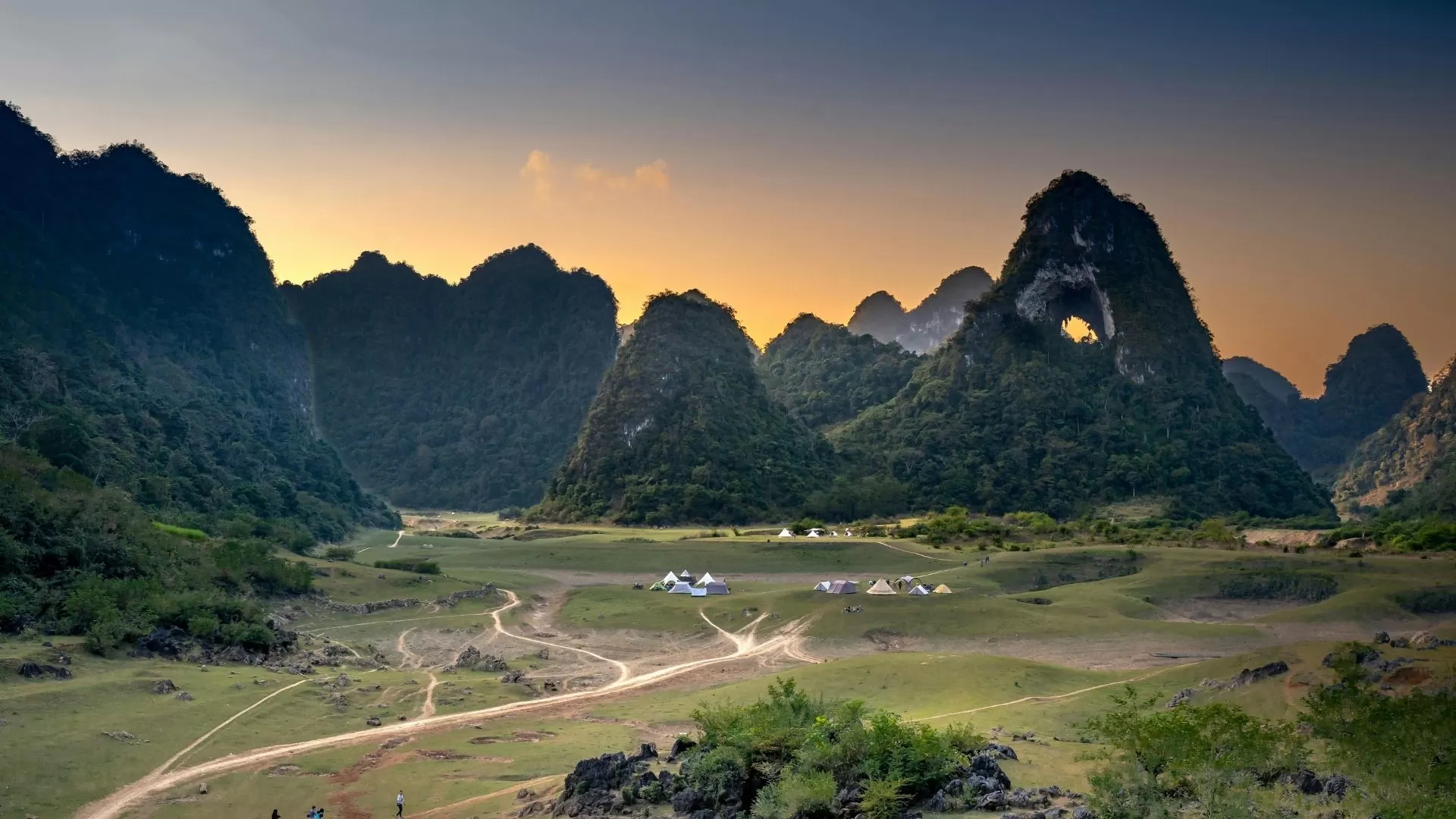 |
Vietnam trekking and cultural tour Explore mountain trails and ethnic villages for an adventure combining nature, culture and local encounters. | Splendors of Vietnam beauty in 16 days Discover the splendors of Vietnam with landscapes, rich heritage, coastal charm and authentic cultural experiences. | Northern Vietnam Grand Loop in 20 days Embark on a nature-filled adventure. Explore ethnic villages and breathtaking landscapes |
Traditional handicrafts and villages in Vietnam
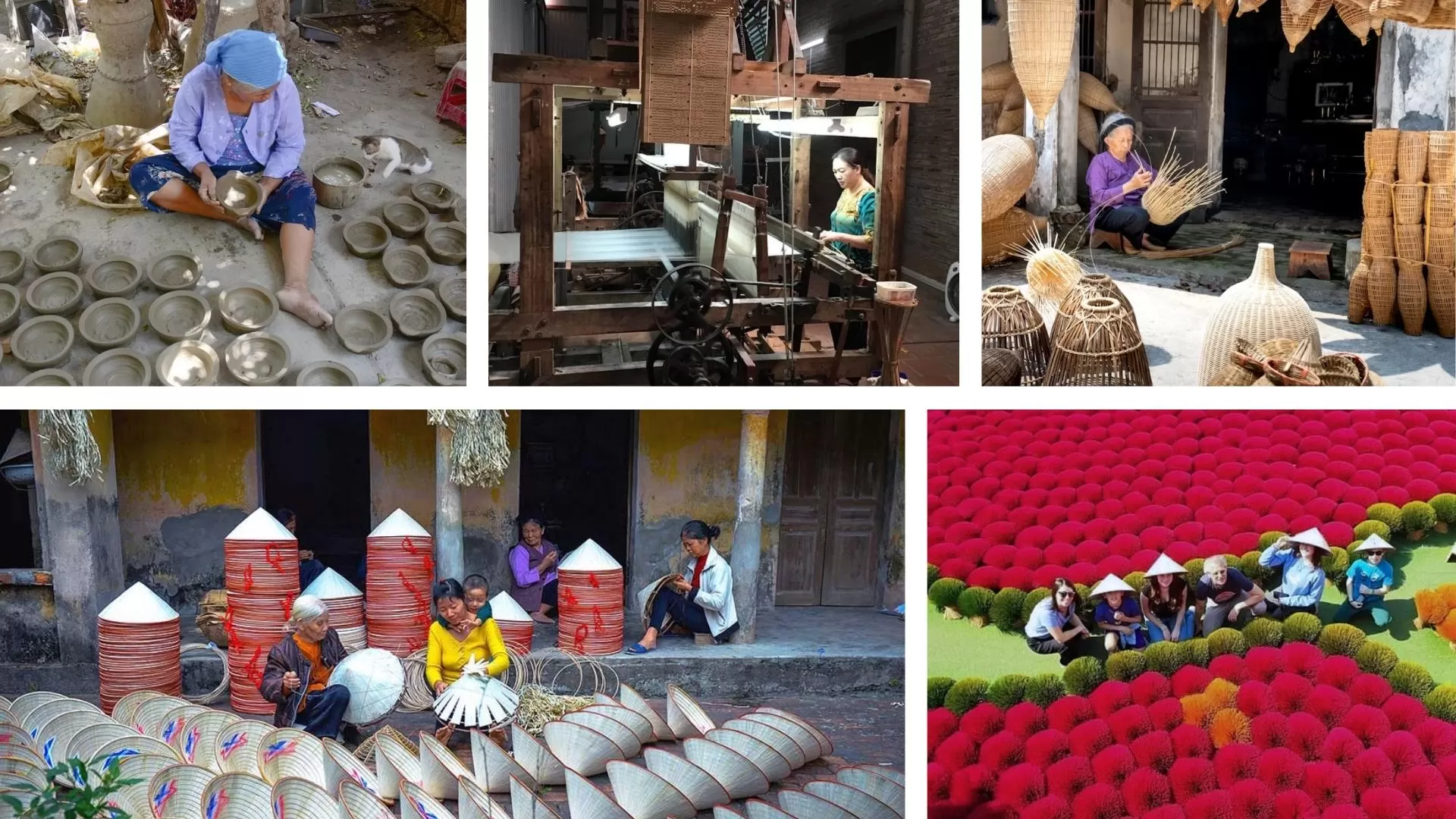
Vietnam is home to hundreds of traditional craft villages, each preserving unique skills passed down through generations. From Bat Trang pottery and Van Phuc silk to Chuong conical hats and Kim Bong woodwork, these timeless creations showcase the artistry, patience and soul of Vietnamese culture and traditions.
Pottery and ceramics: Villages like Bat Trang and Phu Lang are famous for their elegant bowls, vases and decorative ceramics — a perfect blend of functionality and beauty deeply rooted in Vietnamese daily life.
Silk weaving: Van Phuc in Hanoi and Tan Chau in An Giang produce shimmering silk used for the traditional ao dai, symbolizing grace and refinement in Vietnamese traditions.
Wood carving and carpentry: Artisans from Dong Ky and Kim Bong craft intricate furniture and religious carvings, reflecting both skill and spiritual devotion.
Conical hat (Nón Lá) making: Chuong and Phu Cam villages are known for handcrafting the iconic conical hat — a lasting emblem of Vietnamese culture and rural beauty.
Bamboo and rattan weaving: In villages like Phu Vinh and Bao La, craftsmen turn natural materials into elegant baskets, mats and décor, showcasing sustainability and ingenuity in Vietnamese traditions.
Incense making: Quang Phu Cau (Hanoi) and Thuy Xuan (Hue) are both famous for their handmade incense sticks. The vivid pink and red incense bundles, used in worship and ancestral offerings, represent purity, respect and a deep spiritual bond
You can also refer: Vietnam’s craft villages: A journey into traditional artistry
Music, arts and performing traditions in Vietnam
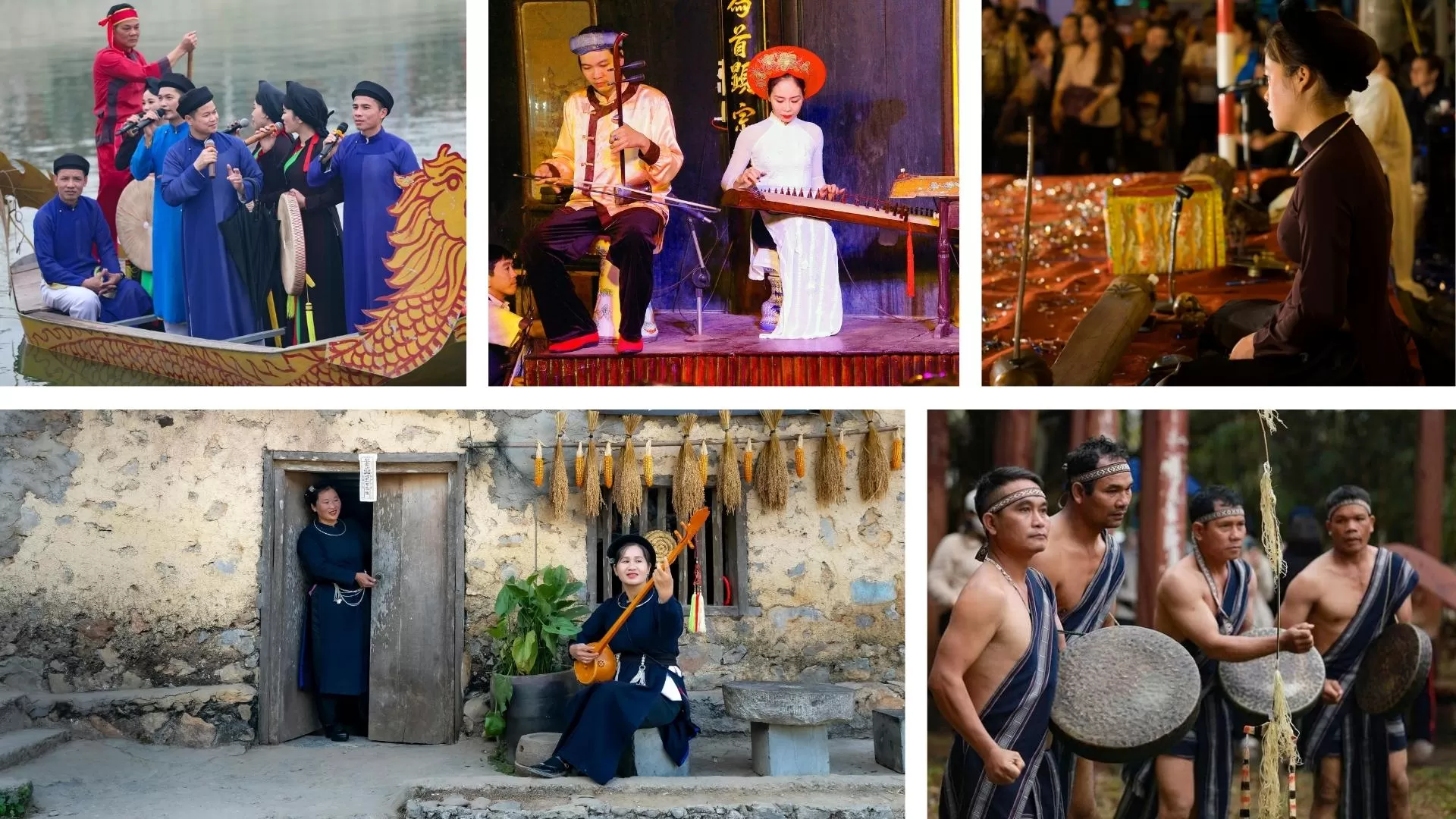
Music and art have always been vital parts of Vietnamese culture and traditions, expressing the spirit, beliefs and daily lives of its people. Across regions, Vietnam’s artistic heritage reflects both local identity and historical depth.
Traditional Folk Music: Vietnam’s folk music varies by region — from the gentle Quan họ love duets of Bac Ninh, to the emotional Ca trù ceremonial singing and the soulful Đờn ca tài tử of southern Vietnam, recognized by UNESCO as an Intangible Cultural Heritage.
Court and classical music: During the imperial era, Nhã nhạc cung đình Huế (Hue royal court music) was performed at important ceremonies and remains one of Vietnam’s most refined musical legacies, symbolizing harmony and respect for ancestors.
Folk dance and theater: Traditional performances like Chèo (northern folk opera), Tuồng (classical drama) and Cải lương (southern reformed theater) combine storytelling, singing and expressive gestures to portray moral lessons and social values.
Traditional instruments: Vietnamese music features distinctive instruments such as the đàn bầu (monochord zither), đàn tranh (16-string zither) and trống đồng (bronze drum) — each carrying deep historical symbolism and cultural pride.
Folk painting and visual arts: Art forms like Dong Ho woodblock prints and Hue folk paintings depict village life, legends and beliefs, showcasing the creativity and humor of Vietnamese artisans.
Religious practices and ancestral worship

Spirituality plays a central role in Vietnamese culture and traditions, blending elements of Buddhism, Confucianism, Taoism and folk beliefs.
At the heart of Vietnamese spirituality lies ancestral worship - a practice deeply rooted in the belief that ancestors continue to watch over their descendants.
Most families have an ancestral altar at home, where offerings of food, flowers and incense are made during special occasions like Lunar New Year, death anniversaries and the first and fifteenth days of each lunar month.
Pagodas, temples and communal houses also play an important role in Vietnamese customs, serving as places for worship, reflection and community gatherings. These sacred spaces embody the nation’s enduring respect for its past and the spiritual harmony that defines Vietnamese culture.
Some must-try Vietnamese cultural experiences for tourists
 |  |  |
|---|
When visiting Vietnam, travelers have the chance to immerse themselves in the country’s rich culture and traditions through authentic, hands-on experiences. From rural villages to vibrant cities, each encounter reveals a different layer of Vietnamese culture.
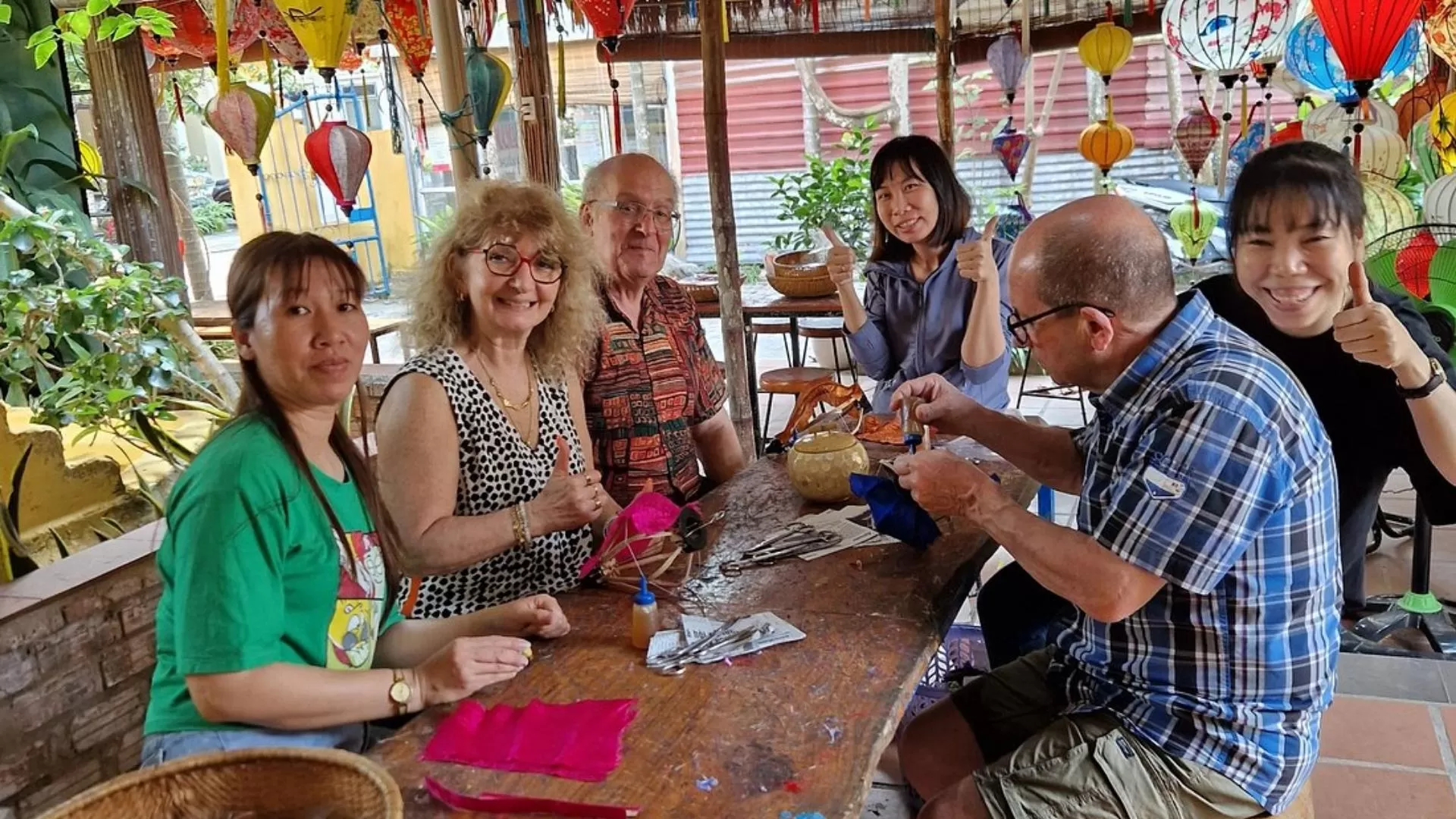
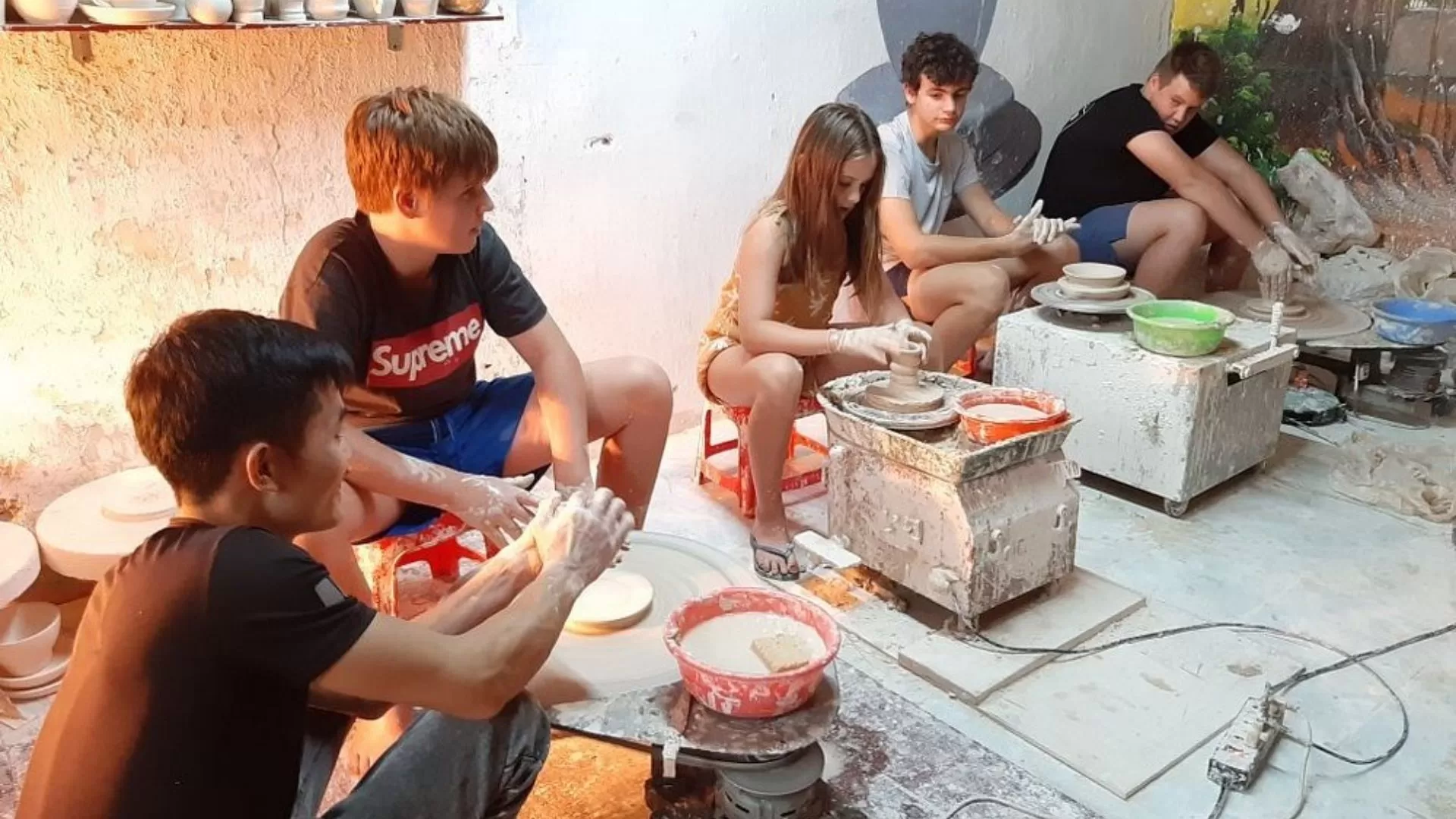
Visit traditional craft villages such as Bat Trang (ceramics), Van Phuc (silk), or Quang Phu Cau (incense) to watch artisans at work and try making your own handmade products.
Join local festivals like the Lunar New Year (Tet), Mid-Autumn Festival, or the Hung Kings’ Temple Festival to witness age-old customs, colorful parades and spiritual rituals.
Explore ancient temples and historic sites in Hue, Hanoi, or Hoi An, where architecture and legends reflect centuries of cultural evolution.
Experience daily local life by visiting rural markets, joining a cooking class, or sharing a family meal — a heartfelt way to understand Vietnamese hospitality.
Watch traditional performances such as water puppetry, ca trù, or quan họ folk singing, each representing a unique regional art form.
Traveling with local experts or guided cultural tours helps deepen these experiences, ensuring that every moment you spend in Vietnam connects you meaningfully with its people, traditions and spirit.
At Hanoi Voyages, we are honored to be your trusted companion on this cultural journey. With the expertise and passion of our local travel specialists, we craft tailor-made itineraries that let you uncover the authentic charm of Vietnam — not just as a visitor, but as a true explorer of its living culture.
FAQs
1. What shouldn’t you do in Vietnamese culture?
Avoid touching someone’s head, pointing at others, or using your feet to gesture. Don’t place chopsticks upright in a bowl of rice and avoid loud or confrontational behavior in public.
2. How to show respect in Vietnamese culture?
Respect is shown through gestures, honorific speech and deference to elders. Removing shoes before entering a home is also a sign of politeness and respect.
3. How many ethnic groups are there in Vietnam?
Vietnam is home to 54 ethnic groups, each with its own language, customs, clothing and festivals - creating a rich cultural mosaic across the country.
4. What are some symbols that represent Vietnamese culture?
The lotus flower, conical hat (non la) and dragon are national symbols representing purity, resilience and strength in Vietnamese culture.
5. How do Vietnamese people greet each other?
Greetings often include a friendly smile and a slight nod. Handshakes are common and showing respect through polite language and tone is important, especially toward elders.
Vietnamese culture is a beautiful blend of history, tradition and everyday life - from its festivals and cuisine to art, beliefs and community spirit. Each element reflects the nation’s timeless charm and deep-rooted identity.
If you’re ready to uncover the essence of Vietnamese culture, let Hanoi Voyages - your local travel expert - craft a journey that brings these traditions to life through authentic experiences across Vietnam.
Dream about your trip to Asia, in private
We are here to make it happen with youFREE QUOTE, WITHOUT OBLIGATION
FEATURED BLOG


RELATED TOURS

Read the next
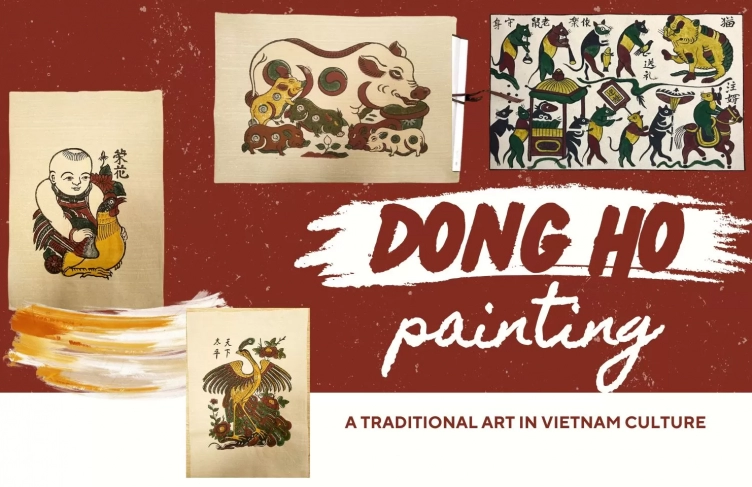
Dong Ho painting: A traditional art in Vietnam culture
Vietnam's traditional arts reflect the beauty of its culture and people’s daily lives. Dong Ho painting is a famous folk art that uses woodblock printing to depict meaningful stories with bright, natural colors and simple yet powerful imagery. Let’s discover!
Recently viewed
Laos in November: Complete guide for every travelers
Discover everything you need for your trip to Laos in November - from ideal weather and cultural festivals ...
17 Oct, 2025 | Travel tips
Can't find what you're looking for? No problem!!!!
It's not here but we can do it! Tell us what you want! And you will have it.